


Cosmos Flowers Are Beloved by Bees and Butterflies

Updated: Sep. 20, 2022




Attract more pollinators to your yard with colorful, nectar-rich cosmos flowers. Discover how to grow cosmos and which cultivars to try.
Pollinators Love Cosmos Flowers
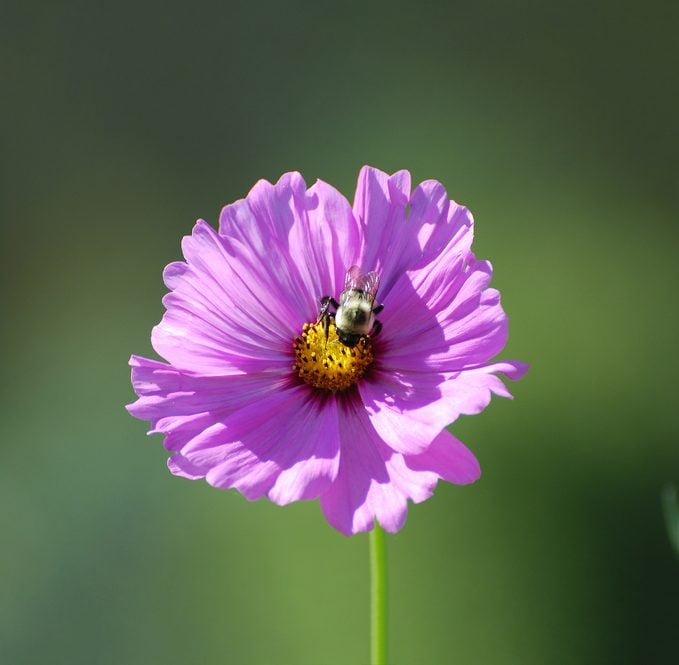
All growing season long, bees and butterflies are drawn to cosmos flowers, which are nectar-filled, colorful and pinwheel-shaped.
Grow single or double cultivars of this easygoing bloomer, and they will produce gorgeous flowers and seeds for your feathered friends from summer through late fall. A classic garden annual, cosmos flowers are a great choice for bare patches in perennial beds. Plus, because cosmos is self-seeding, it saves you money on your garden.
If you’re lucky, you might even wind up with a monarch chrysalis on your cosmos plant, as one reader did!
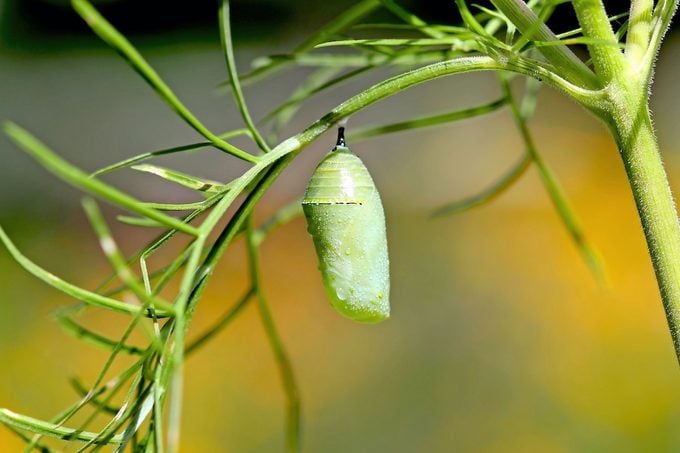
“I discovered this handsome monarch chrysalis on a cosmos plant in my flower garden. I have lots of milkweed plants growing nearby for caterpillars to munch on, so this one must have ventured over to this plant to start the next phase of its life cycle,” says Birds & Blooms reader Brenda Doherty.
Want more buzz in your garden? Plant the best flowers to attract bees.
How to Grow Cosmos Flowers
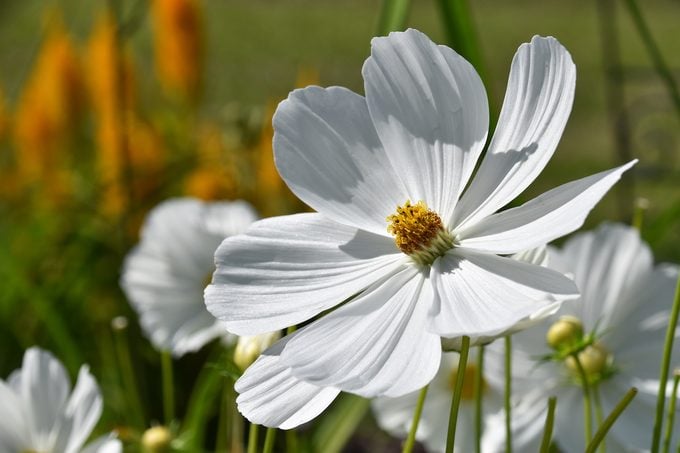
Cosmos flowers do particularly well in lean soil. Some shorter varieties thrive in containers. It’s best to plant them just before the last spring frost, in full sun and in well-draining soil. Protect the flowers from strong winds, and consider harvesting seeds in fall to replant cosmos in different locations when spring arrives again.
Did you know you can direct sow cosmos seeds? Find out what that means—and how to do it.
If you grow your own food in the garden, you might plant cosmos there, too. Since cosmos is known to draw pollinators, it’ll improve the pollination for your flowering fruits and veggies (like strawberries, pumpkins and zucchini) and reward you with a larger crop.
Attracts: Birds, bees, butterflies
Zones: 3 to 11
Light needs: Full sun
Size: 1 to 6 feet tall
Grown for: Big, colorful blooms
Foliage: Feathery leaves
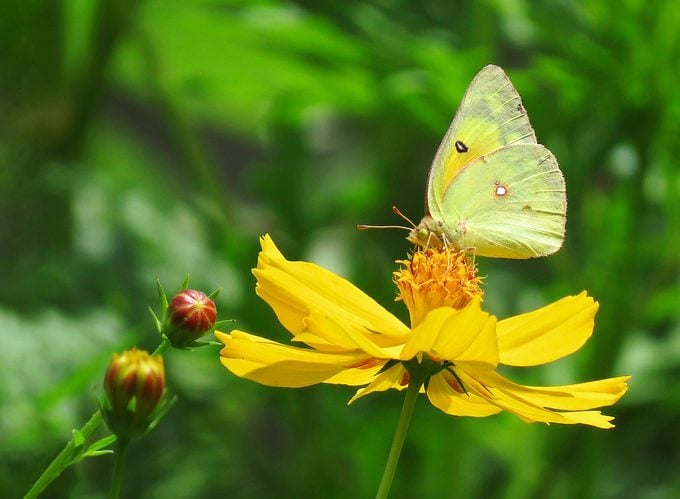
“I took this photo of a clouded sulphur on a cosmos at my parents’ farm in western Kentucky on the Fourth of July. I used my Canon PowerShot SX60 HS to capture the bright, happy yellows,” says Birds & Blooms reader Kim Enoch.
Did you know—Fall is the best time to plant poppy flower seeds.
Cosmos Cultivars to Try
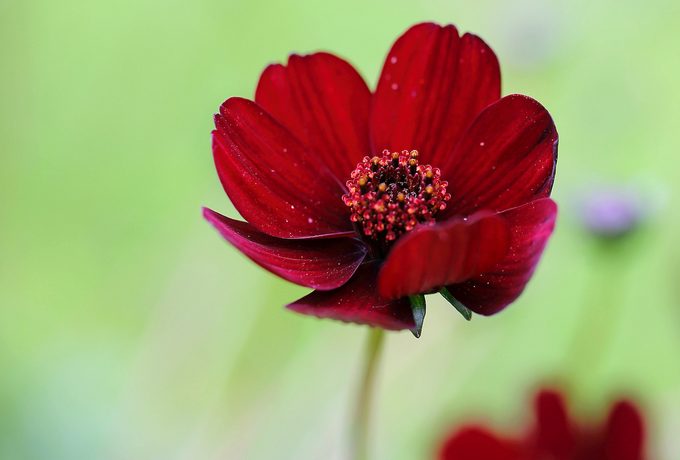
Psyche White has jagged semi-double blooms that last all summer. Sea Shells features multi-colored flowers with petals shaped like tubes. Lemonade offers light yellow petals with white centers. And chocolate cosmos smells like chocolate!
Next, check out more butterfly flowers that are easy to grow from seed.
Originally Published: September 20, 2022
