Gardeners Love Black-Eyed Susans

250442283 1 Mike Selegue Bnb Bypc2020
Courtesy Mike Selegue
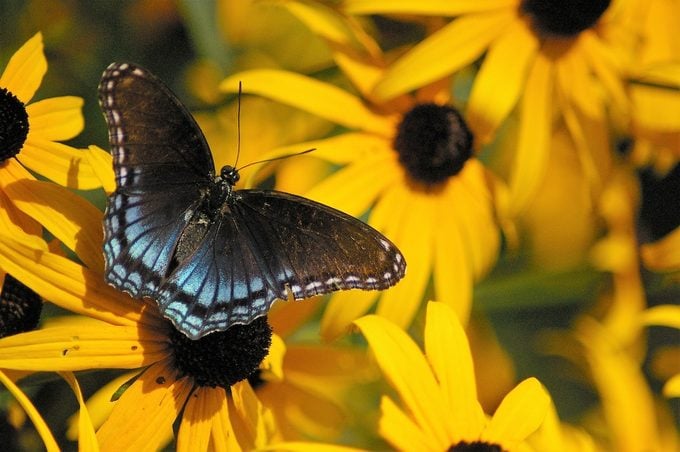
Red-spotted purple butterfly on rudbeckia

Planting rudbeckia, with petals aglow in honeyed yellow, fiery orange and velvety burgundy, is like sprinkling sunshine throughout the garden. Also known as black-eyed Susan, these beloved North American native plants bloom freely across the U.S. and Canada, swaying in the breeze as timeless symbols of summer’s warmth and joy. Their cheerful blooms shine from midsummer to its final golden hour. Easy to grow and impossible to ignore, rudbeckia is love at first bloom.

  • Common name: Black-eyed Susan
  • Botanical name: Rudbeckia spp.
  • Zone: 3 to 9
  • Light: Full sun
  • Soil: Moist, well-draining
  • Size: 1 to 8 feet tall

Rudbekia Companion Plants

251847152 1 Carol Spry Bnb Bypc2020
Courtesy Carol Spry
Black-eyed Susan and bee balm

Gardeners have countless ways to revel in the beauty of rudbeckia—from brightening beds and patio containers to naturalizing larger landscapes. And with cut blooms that last a week or more, you can count on it for instant sun-drenched bouquets that can be enjoyed indoors.

"Rudbeckia combines well with other native plants that also provide ecological benefits."
Andrew Bunting
Vice President of horticulture at Pennsylvania Horticultural Society

When choosing companion plants for rudbeckia, aim to harmonize bloom periods while balancing color and structure to create a garden that feels vibrant and cohesive.

“Rudbeckia combines well with other native plants that also provide ecological benefits, including blunt mountain mint (Pycnanthemum muticum), gayfeather (Liatris spicata) and butterfly milkweed (Asclepias tuberosa),” shares Andrew Bunting, vice president of horticulture at the Pennsylvania Horticultural Society. “It can also be planted in front of native shrubs like bush honeysuckle (Diervilla spp.) and summersweet (Clethra alnifolia),” Andrew says.

Plus, check out black-eyed Susan vine for vertical garden interest.

Cultivars to Grow

Pw Rudbeckia American Gold Rush Pp28498 Cpbraf 0001 High Res
www.provenwinners.com
R. hybrid ‘American Gold Rush’

With 25 species and countless eye-catching cultivars, Rudbeckia fulgida and R. hirta are among the most grown in home gardens. Andrew has a few standout picks of his own. “American Gold Rush is a relatively new black-eyed Susan introduction. This cultivar supersedes Goldsturm for durability and floriferousness,” he notes. Another benefit of Gold Rush is its resistance to septoria leaf spot.

“The giant coneflower (R. maxima) has a relatively long blooming season and is followed by seed heads with ecological benefits. It’s also proven to be deer resistant. Henry Eilers (R. subtomentosa) has interesting pinwheel-like yellow flowers.”

Yellow Rudbeckia Fulgida Black Eyed Susan Little Goldstar In Flower.
Alex Manders/Getty Images
R. fulgida ‘Little Goldstar’

For gardeners working with less room or even containers, consider Little Goldstar. Its bright golden yellow flowers with chocolate centers appear from midsummer to early fall.

Black-Eyed Susan Care and Growing Tips

Ball Rud10 9690
Ball Horticultural Company
R. hirta ‘Moreno’

Remarkably resilient and able to sail through summer’s hottest spells, rudbeckia is as tough as it is charming. With few growing requirements, these sun-loving stunners will continue to live up to their perky, happy personality all season long. “Rudbeckia are fairly carefree in the garden,” Andrew says. “It’s important to give them well-draining soil, but they can grow in many types of soil including those in urban areas.

Full sun is also important for optimal flowering.” That’s because rudbeckia is a “long day plant,” thriving with a minimum of six to eight hours of sunlight per day, which fuels their prolonged and healthy bloom cycles.

Does Rudbeckia Reseed in the Garden?

Rudbeckia,maxima,,the,great,coneflower,,is,a,flowering,plant,in
meunierd/Shutterstock
Rudbeckia maxima, also known as giant coneflower

To keep the show going, consider deadheading—the practice of pinching fading flowers before they set seed. This will encourage fresh blooms and manage self seeding. A balanced approach is best. As the growing season winds down, leave the remaining spent flower heads intact to provide a feast for winged visitors when they need it most.

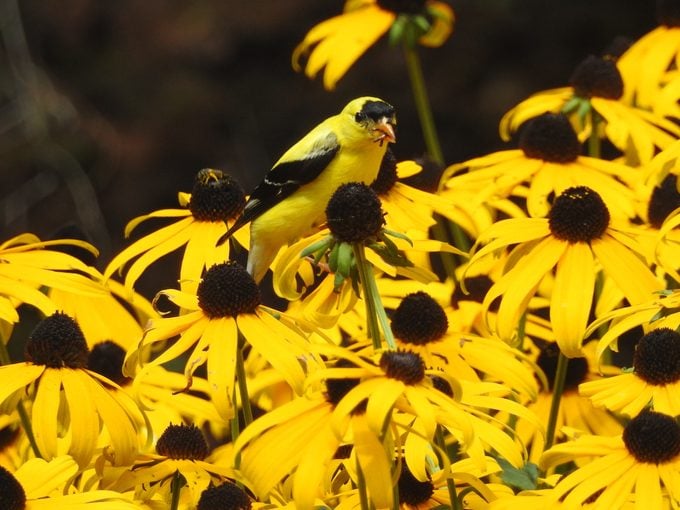
“Ideally, a lot of the seeds will be eaten by native sparrows and finches, such as the American goldfinch,” Andrew says. “The gardener just needs to be mindful of emerging seedlings the following spring and do some seedling editing so that the garden does not become consumed by plants.” If plants do become overly prolific, simply divide clumps every three to four years in early spring or fall.

A Buffet for Wildlife

252630239 1 Laura Netro Price Bnb Bypc2020
Courtesy Laura Netro Price
Birds enjoy snacking on the seeds in the flower’s brown-black center—especially goldfinches.

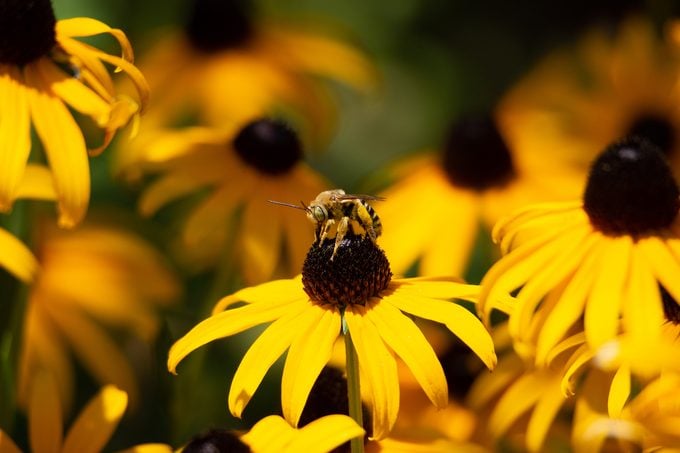
It’s true—black-eyed Susan flowers bring in pollinators, including native bees and butterflies, and even your favorite songbirds.

For bird lovers, few sights are as delightful as the nimble acrobatics of chickadees, cardinals and white-breasted nuthatches perched on slender, swaying stalks as they deftly pluck tiny, dark seeds from rudbeckia’s dried flower heads. While these plants are much loved for feeding birds through fall and winter, their benefits extend far beyond a natural bird feeder.

Rudbeckia is a magnet for pollinators, drawing in an array of bees and butterflies with its sweet nectar and pollen-rich blooms. It also serves as a host plant and food source for the larvae of native species such as the emerald moth and the silvery checkerspot butterfly.

250539063 1 Ted Belling Bnb Bypc2020 (1)
Courtesy Ted Belling
The flowers are a favorite of bees and butterflies.

Even the tiniest garden allies take notice. Rudbeckia attracts beneficial insects such as hoverflies and minute pirate bugs—both natural predators that control common garden pests such as thrips, aphids and whiteflies.

With its cheery color, easy upkeep and pollinator powers, rudbeckia is a timeless garden staple that you won’t regret adding to your yard.

Black-Eyed Susan Facts

Monarch,butterfly,(danaus,plexippus),on,sweet,black,eye,susans,(rudbeckia
Kevin Collison/Shutterstock
Monarch butterfly on Rudbeckia subtomentosa

Impress your flower-loving friends with these fun facts about rudbeckia

  • Native rudbeckia are considered pioneer plants, meaning they are among the first plants to grow back after a wildfire.
  • In 1918, the black-eyed Susan was proudly named the official state flower of Maryland.
  • Black-eyed Susans have been the official flower of the Preakness Stakes horse race since 1940. Each year, a handwoven blanket of yellow-petaled blossoms that resemble rudbeckia is draped over the winning horse.

About the Expert

Andrew Bunting is the vice president of horticulture at the Pennsylvania Horticultural Society. He previously worked at the Chicago Botanic Garden and Scott Arboretum of Swarthmore College. Andrew earned a bachelor of science degree in plant and soil science from Southern Illinois University.

Next, learn how to care for purple coneflower plants.