


Top 10 Flowers for Harvesting Seeds

Updated: May 18, 2023




Stick to your plant budget by harvesting seeds from these flowers with seed pods. They'll reward you with blooms in growing seasons to come.
Maybe you want to share a favorite plant with friends and family. Or perhaps you just want more bang for your gardening buck. Whatever the reason, harvesting flower seeds takes little effort—and as these beauties burst into bloom, you’ll appreciate them more than ever.
We asked our friends at Seed Savers Exchange to help us gather a list of the 10 best flowering plants for harvesting seeds. These are specific cultivars, but you can apply the seed-collecting techniques to similar plants. If you’re not familiar with the nonprofit exchange, check out its website, seedsavers.org, which has a wealth of information on seed preservation, storage and planting. Use their advice to start saving—both flower seeds and dollars!
Psst—follow these tips for saving tomato and veggie seeds from your harvest.
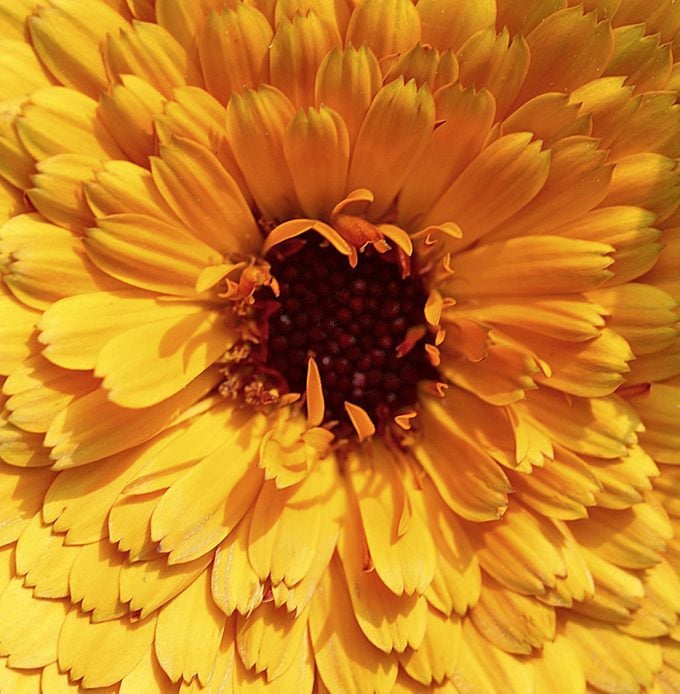
Radio Calendula
(Calendula officinalis, annual)
Perfect for northern gardeners, this long bloomer, also known as pot marigold, shines in shades of yellow and orange all summer. Its edible petals have a sweet-tart tang. Here’s how to tell the difference: calendula vs. marigold.
Seed saving: Calendula is one of the easiest plants to grow for seed harvesting. But you’ll need to keep a close eye on the blooms: As soon as they begin to fade, it’s time to pick the seeds. If you don’t get them soon enough, they’ll fall off and the plant will reseed itself.
For another prolific reseeder, try native blanketflower.
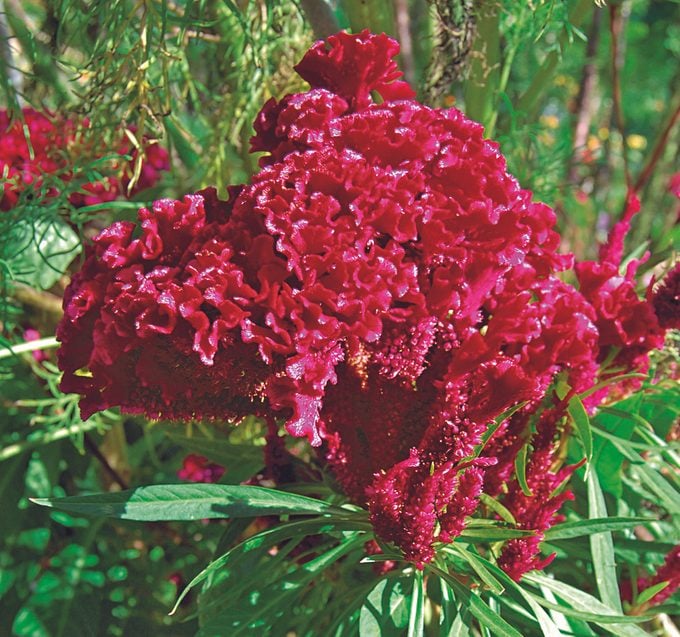
Amish Cockscomb
(Celosia cristata , annual)
A native of the tropics, this cockscomb has fuzzy red flower heads that bring welcome texture to the garden. It’s also a pretty addition to your homemade bouquets.
Seed saving: Cockscomb seeds can be found inside the heads, between the velvety flowers. Once the blooms dry out, cut them off and hang upside down in bunches. When the seed heads are completely dry and crisp, gently crush them with your hands and the seeds will fall out.
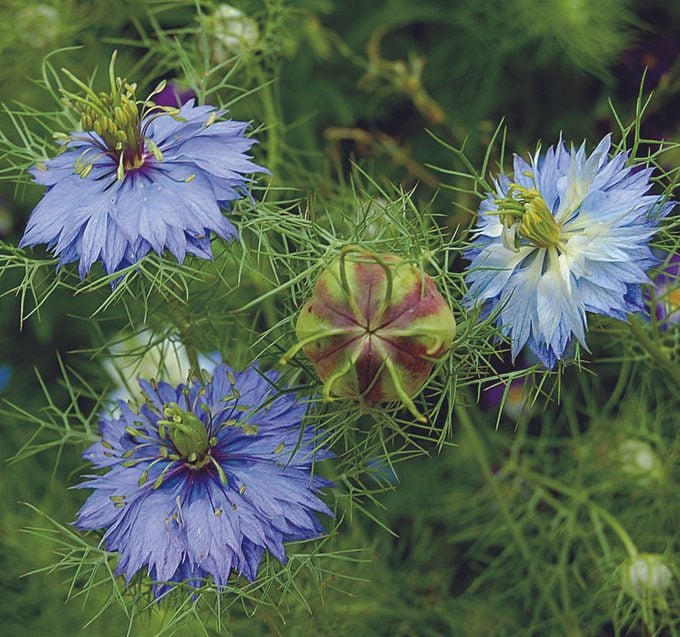
Love-in-a-Mist
(Nigella damascena, annual)
If you’re new to seed collecting, this flowering plant is one of the easiest to try. It’s fairly easy to grow, too, if you’ve got a spot with full sun and average soil.
Seed saving: When the blossoms fade, a striking seed pod forms. Once it turns brown, simply cut it off and allow it to dry completely. Then crack the pod open and remove the seeds.
Find out how to dry and save amaryllis seeds.
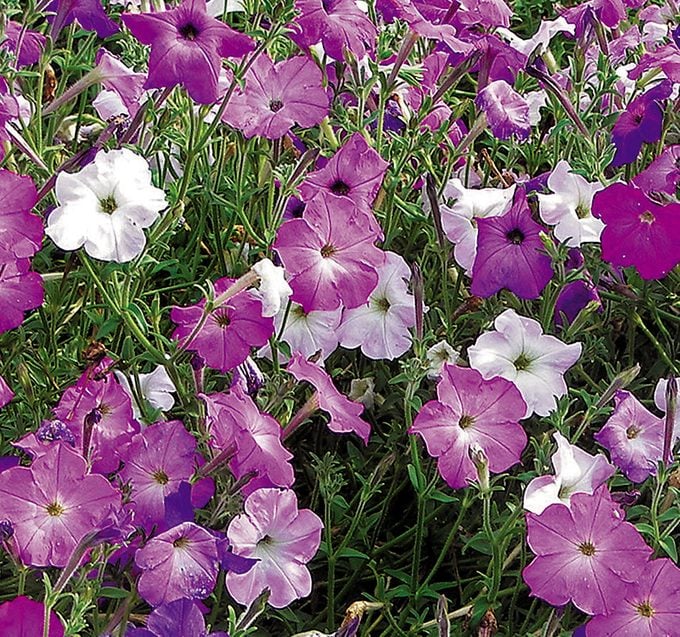
Old-Fashioned Vining Petunia
(Petunia multiflora, perennial in Zones 9 to 11)
With multiple flower colors on each plant, this is an irresistible petunia. A garden classic, it’s wonderful in both hanging baskets and borders.
Seed saving: This is an easy one for seed savers. When the flowers fade, seed pods form, turning from green to brown. Once they’re brown, cut them off and allow them to dry completely. Then crack the pods open and remove the seeds. Be ready: There will be hundreds of them!
Check out butterfly flowers that are easy to grow from seed.
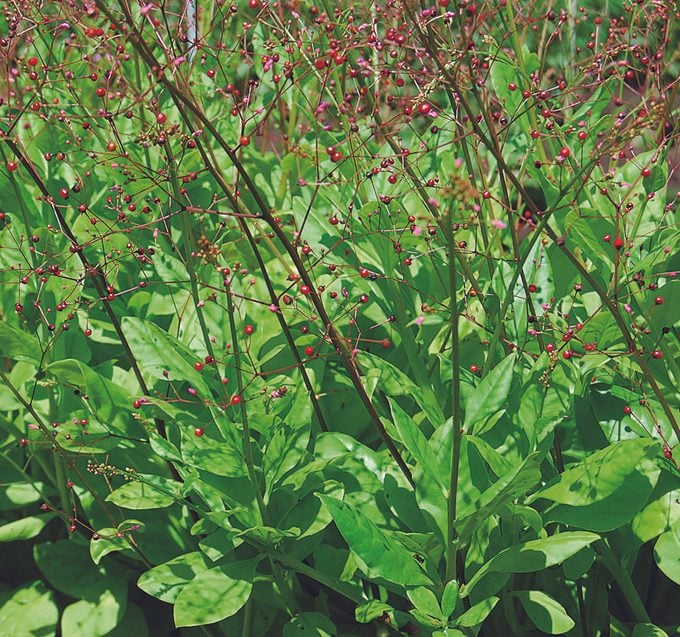
Jewels of Opar
(Talinum paniculatum, Zones 9 to 11)
The whole plant is easy on the eyes, with beautiful foliage and small pink blooms. Even the seed pods are attractive—some might even say they’re showier than the flowers. This one’s a natural as a filler for containers or borders.
Seed saving: When the blooms fade, you’ll see ruby-orange flower seed pods. Once they starts to dry, cut them off and place them in a protected area to dry. Then crack the pods open and collect the small seeds from inside.
Psst—Fall is the best time to plant poppy flower seeds.
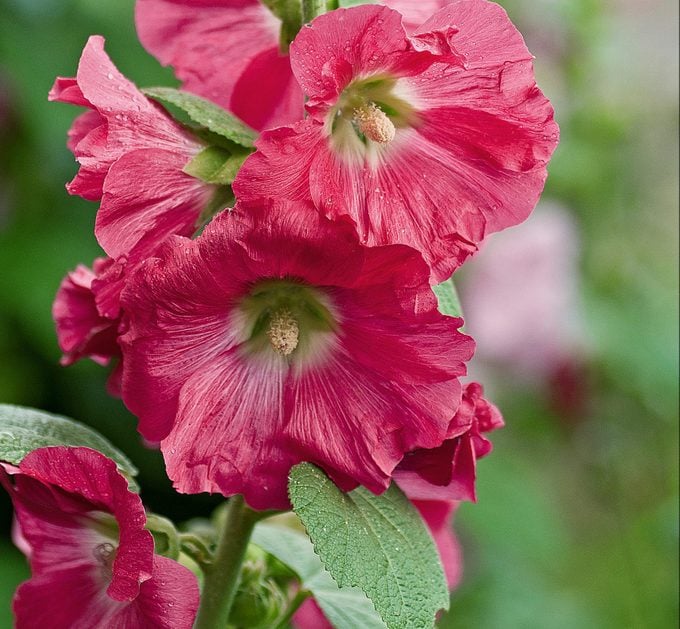
Outhouse Hollyhock
(Alcea rosea, Zones 3 to 8)
Back in the day, towering, colorful hollyhocks were grown to disguise outhouses—and the name stuck! The plant produces stunning single blooms in white, pink, red, magenta and burgundy.
Seed saving: When the flower seed pods turn brown, they’re ready for harvest. But beware: Hollyhocks irritate the skin, so wear gloves, goggles and sleeves when handling any part of the plant. Once you’re protected, gently rub seed heads between your hands to free the seeds.
We found the top 10 old fashioned flowers for your garden.
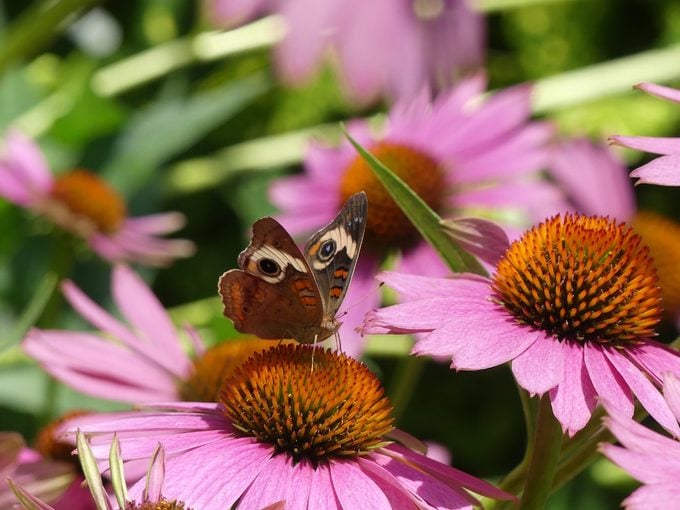
Purple Coneflower
(Echinacea purpurea, Zones 3 to 9)
A favorite of hummingbirds, butterflies and gardeners alike, this is an old-fashioned garden staple. Purple coneflowers are beautiful and easy to grow. What more could you possibly ask for?
Seed saving: If you want to harvest these seeds, you’ve got to beat the birds to it! When the blooms are dry, cut them off and hang them upside down in bunches. The seeds live in the heads between the spikes. Once the heads are nice and crisp, carefully hand-crush them to extract the seeds.
Grow these pollinator plants for bees, birds and butterflies.
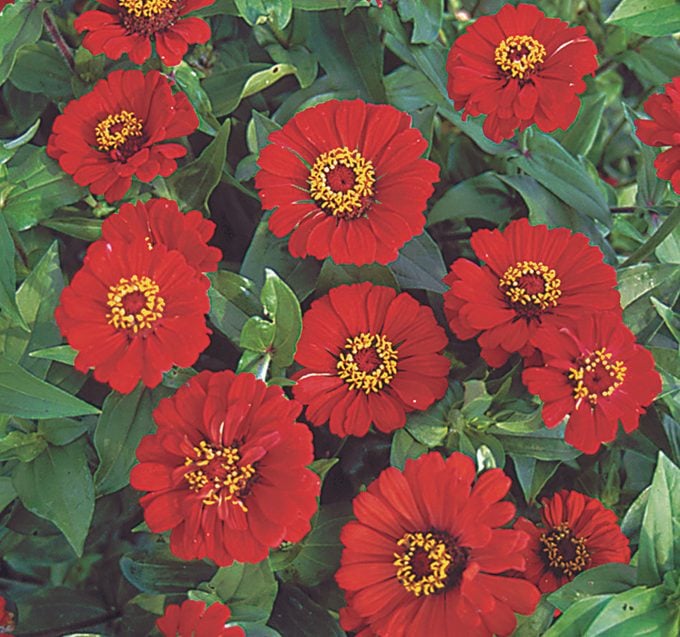
Gift Zinnia
(Zinnia elegans, annual)
You might see an occasional orange bloom in the midst of the usual bright-red flowers of this cheerful zinnia. To prolong the bloom time, remove the spent blossoms frequently.
Seed saving: Zinnias will cross-pollinate, so if you want to save pure seed, limit your garden to one variety at a time. Seeds are ready to harvest when the blooms turn brown and dry. Look for the seeds in the center of each flower head.
Grow these pretty flowers for a cutting garden.
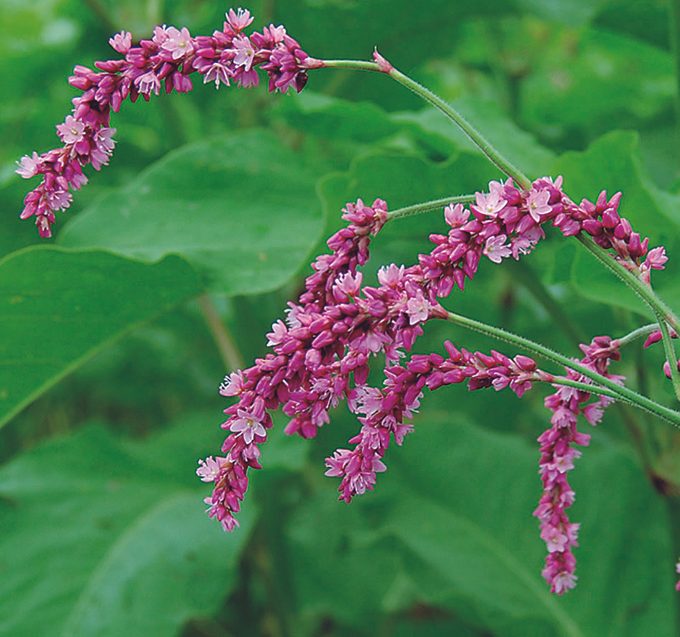
Kiss-Me-Over-the-Garden-Gate
(Polygonum orientale, annual)
Thomas Jefferson, a famously prolific gardener, is credited with growing the first rosy-pink blooms of this flower in America. A fast grower, it’s considered invasive in some areas, so do your homework before planting it in your yard.
Seed saving: Before the first frost, clip off the most mature pink clusters and allow them to dry in a protected area. When they’re completely dry, rub the flower clusters between your hands to separate the seeds.
Save time by direct sowing seeds in your garden.
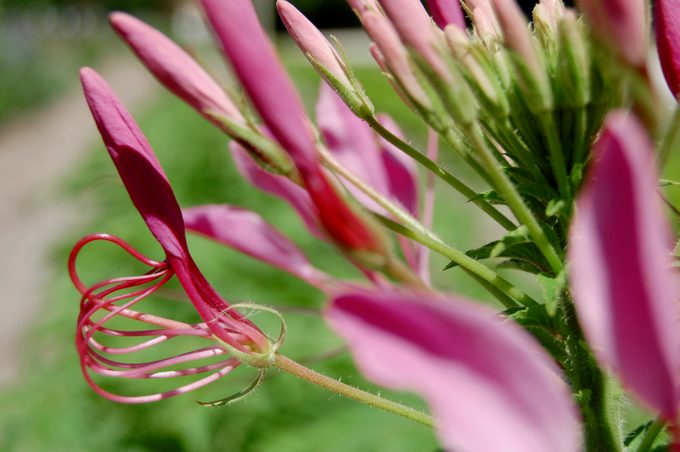
Cleome
(Cleome hassleriana, annual)
Commonly known as spider flower because its wispy blooms look like an arachnid’s legs, this gorgeous tropical native is a real conversation piece. Just be careful of its thorny stems.
Seed saving: Cleome is one of the most reliable annual flowers for seed production. As soon as the spidery blooms begin to dry out, cut them off and hang upside down in bunches, or dry them on a screen. Once they’re completely dry, the seeds will be easy to extract.
Next, check out the top 10 plants to propagate that grow from cuttings.
Originally Published: February 16, 2023
