


Top 10 Best Value Garden Plants

Updated: Oct. 24, 2023




Don't waste your time or money on flowers that won't last. Choose these best value plants to make every garden a beautiful one.
Beautiful, reliable plants don’t have to be a gamble. These eye-catchers will produce abundant blooms and stunning foliage while saving you time and money. Stretch your dollar a little bit further and let this list of best value garden plants be your guide.
Discover easy ways to get free garden plants.
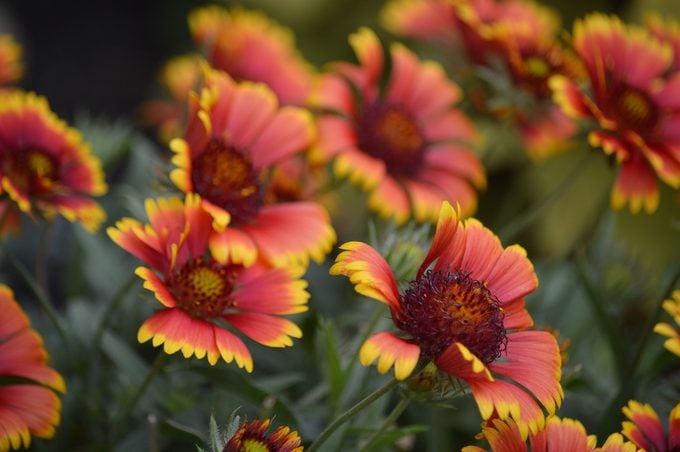
Blanketflower
Gaillardia spp., Zones 3 to 10
This flower offers fantastic color with little effort on your part. It also lasts in bouquets. A North American native, blanketflower grows best in full sun and in well-draining soil. At the end of the growing season, you can save the flower heads, dry the seeds and plant them the following spring.
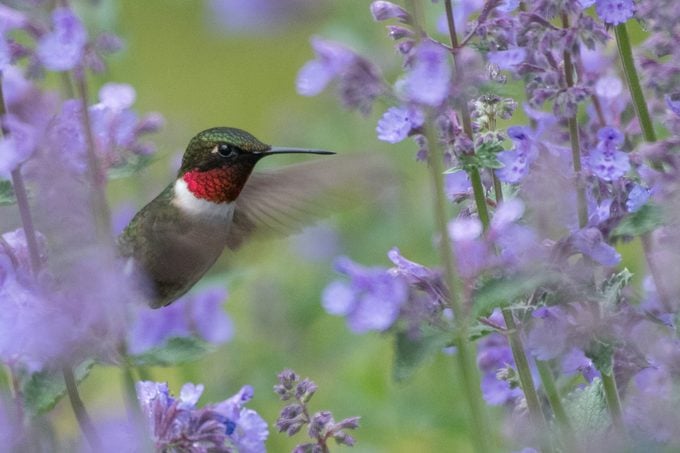
Catmint
Nepeta x faassenii, Zones 3 to 8
Easy to grow, catmint provides silvery-green or gray foliage and a long season of blooms. These best value garden plants reach about 2 feet tall and enjoy full sun to partial shade. Hybrid catmint is sterile, so it won’t set seed. Divide plants in spring or take cuttings in summer.
Will a catmint plant attract cats to your garden? Here’s what you should know.
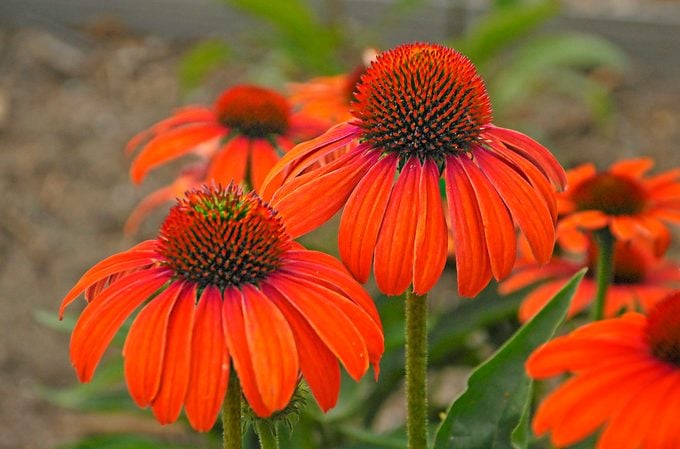
Coneflower
Echinacea spp., Zones 3 to 9
This native plant has plenty of fans in the human and wildlife worlds: coneflowers attract butterflies, birds and bees. Once available primarily in hues of purple, it now comes in a rainbow of colors. For greater impact, plant in groups of five or more, 12 to 18 inches apart.
For more best value garden plants to bring in birds, butterflies, and bees, check out these “triple threat” pollinator plants.
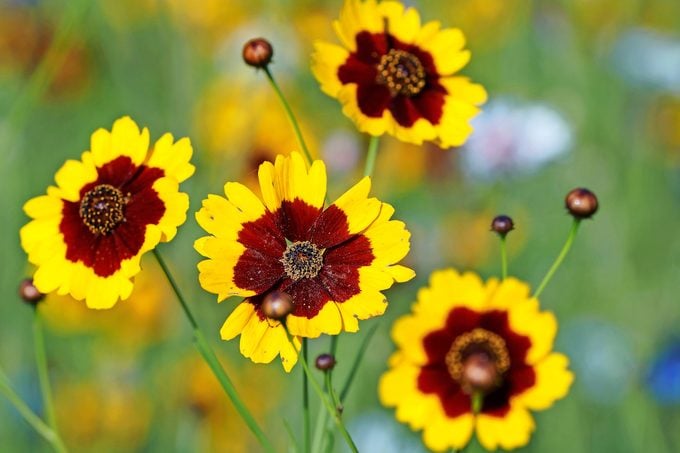
Coreopsis
Coreopsis spp., Zones 3 to 11
Though you can find this bloom as an annual that’s easy to grow from seed, make sure you pick up the perennial version, too. It loves the sun and grows well in dry conditions. New varieties offer striking alternatives to the traditional yellow blooms. No matter what type you pick, you’ll love that it just keeps growing and growing.
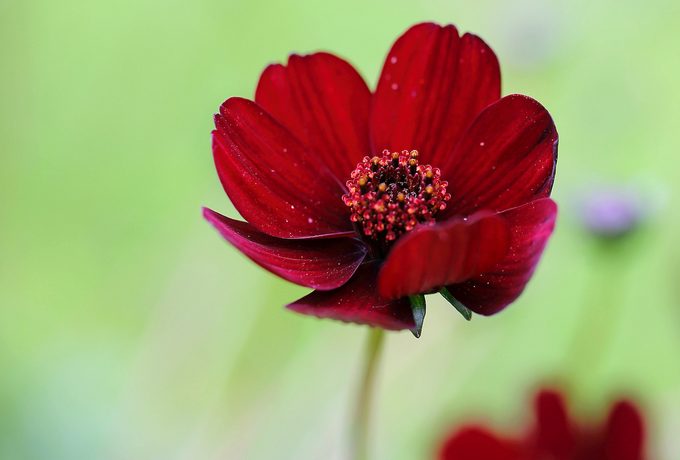
Cosmos
Cosmos spp., grown as an annual
With single or double daisy-shaped blooms in a rainbow of hues, cosmos are best value plants that thrive in a variety of conditions, making it an apropos choice for nearly any garden. Plant taller varieties near a fence or provide stakes to help the long, spindly stems stand up to the strong winds and heavy downpours of summer thunderstorms.
Find out why cosmos flowers are beloved by bees and butterflies.
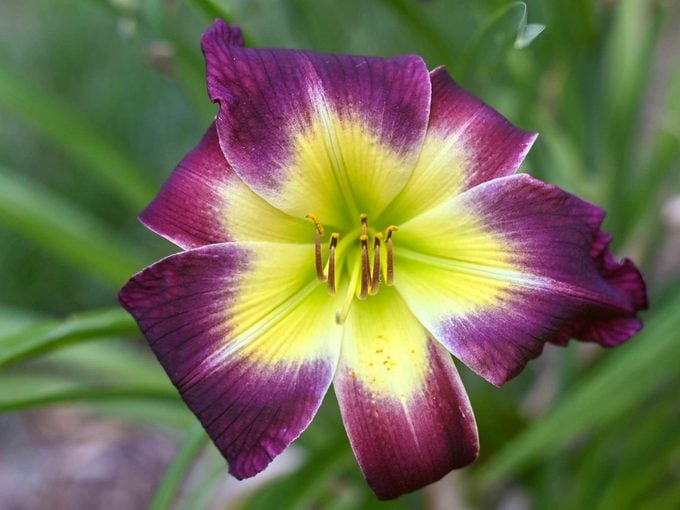
Daylily
Hemerocallis, Zones 3 to 10
Types of this resilient flower bloom from early summer to first frost, growing best in full sun or partial shade. Blossoms are available in nearly every color, except blue. Dividing daylilies every three to five years will help revitalize your garden and keep the plants going strong.
What’s the difference between a true lily vs a daylily?
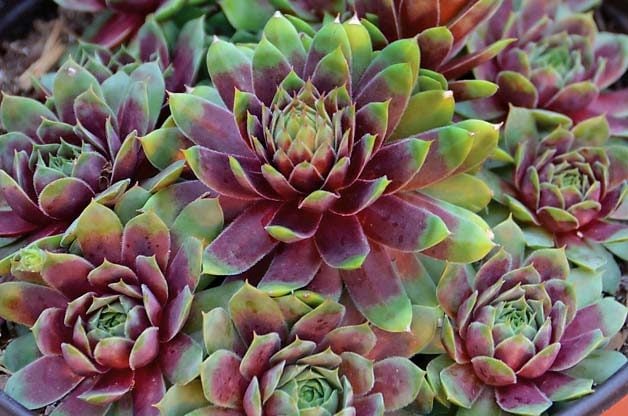
Hens-and-Chicks
Sempervivum tectorum, Zones 4 to 8
We’re big fans of this tough plant, which boasts clusters of rosette-shaped leaves. Hens-and-chicks seems to have limitless planting possibilities: Grow it in a shallow container (consider using an old shoe) or in a finicky rocky space. This plant is very forgiving, and can go days without water.
These succulents will attract pollinators to your backyard.
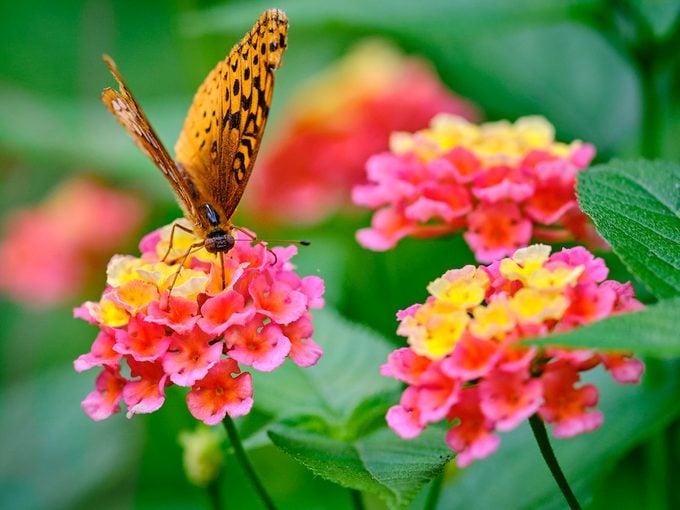
Lantana
Lantana camara, annual to Zone 8
What a beauty this abundant bloomer is! While it’s considered a perennial only in warmer regions, folks in cooler climates can keep it going in containers that are brought indoors for the winter. If you’re successful, you’ll have a garden all-star for years to come. Lantana flowers are a butterfly favorite, too.
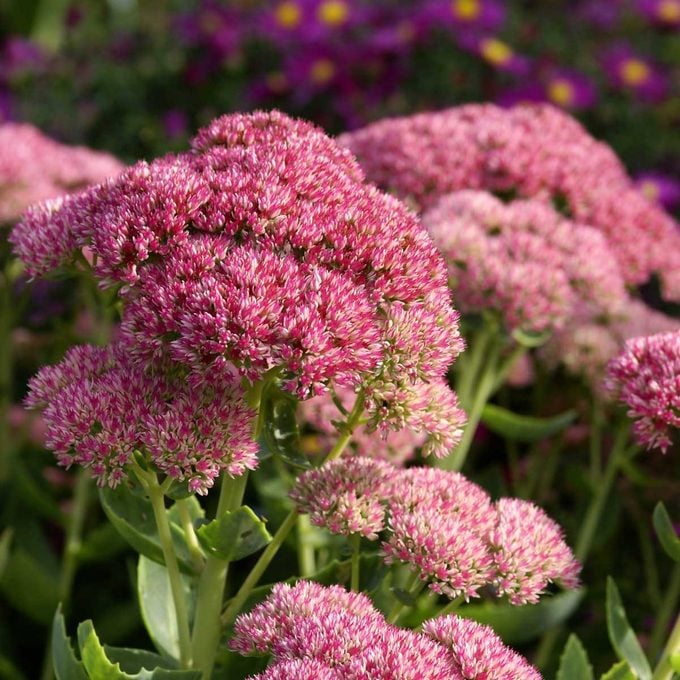
Sedum
Sedum spp., Zones 3 to 10
One of the most reliable growers around, sedum is known for its individuality. Members of this group of succulents have varied growing habits, from distinctive ground covers to showstopping upright plants. The star-shaped blooms are a treat for butterflies, and fall-blooming varieties offer fuel to monarchs and other late fliers on their journey south.
These are the top 10 stonecrop sedum varieties to grow.
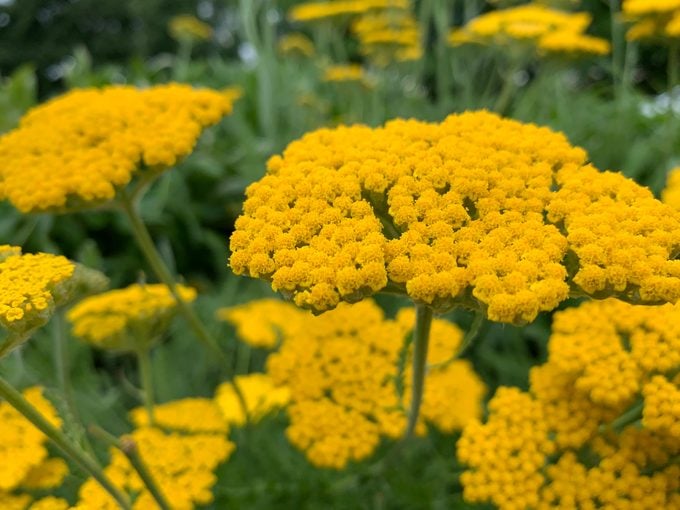
Yarrow
Achillea, Zones 3 to 9
What’s not to love about this perennial? Yarrow can grow in most soil and weather conditions, it blooms through summer until frost, and it offers bold color both in the garden and as a cut flower. Just pick one that doesn’t spread quickly, and you’ll be on the road to success.
Next, check out the top 10 low maintenance perennials that anyone can grow.
Originally Published: October 24, 2023

