

10 Purple Perennials to Plant for Beauty Each Year

Updated: Aug. 01, 2022




These gorgeous purple perennials add rich flair to your garden. Find flowers for butterflies and bees, and plants for anywhere in your yard.
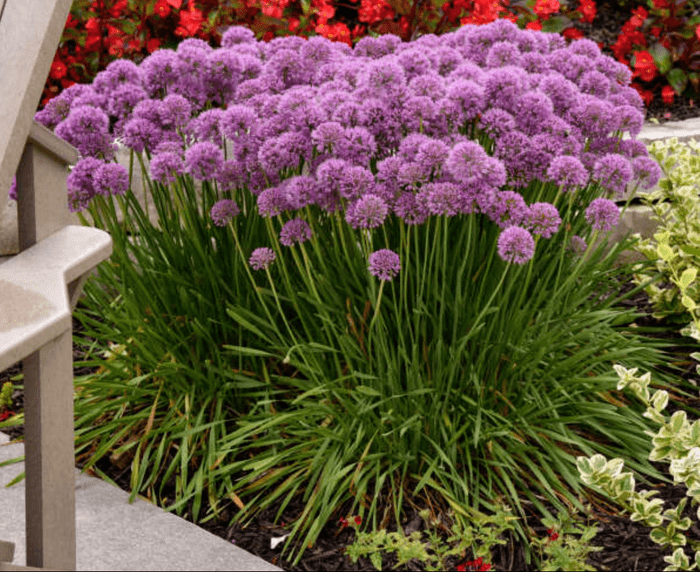
Purple Perennials: Allium ‘Serendipity’
Scientific name: Allium hybrid
Zones: 4 – 8
The fun-shaped flowers on these purple perennials are just the start of what makes this quirky plant great. As part of the onion family, its leaves smell like onion if crushed. Purple blooms appear in mid-to-late summer. Plant in full sun or part shade.
Why we love it: It’ll draw butterflies and honeybees to your yard, but you won’t have to worry about deer or rabbits.
Plant allium bulbs in fall for gorgeous spring flowers.
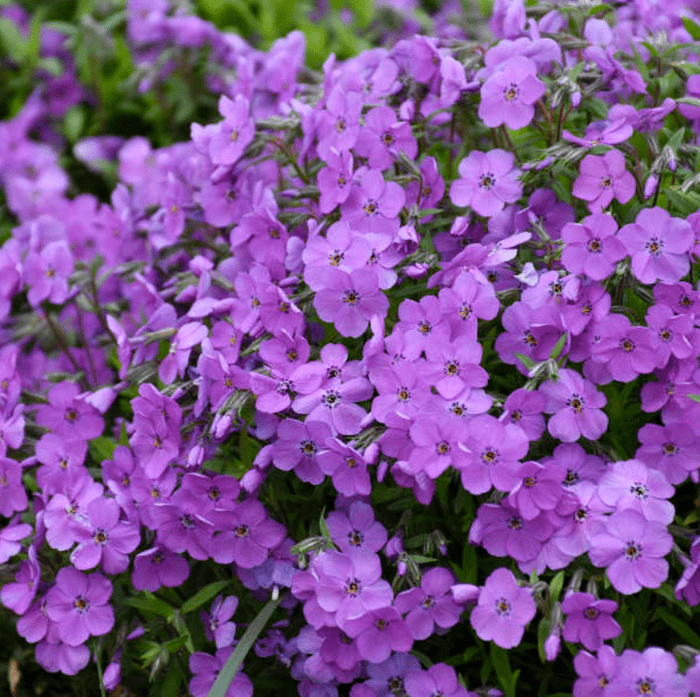
Phlox ‘Purple Sprite’
Scientific name: Phlox hybrid
Zones: 3 – 8
Phlox is a fantastic plant to add to your garden — especially in purple! While it has a shorter blooming season (mid-to-late spring), its flowers are stunning. Plant in full sun.
Why we love it: Phlox is a bee and butterfly favorite.
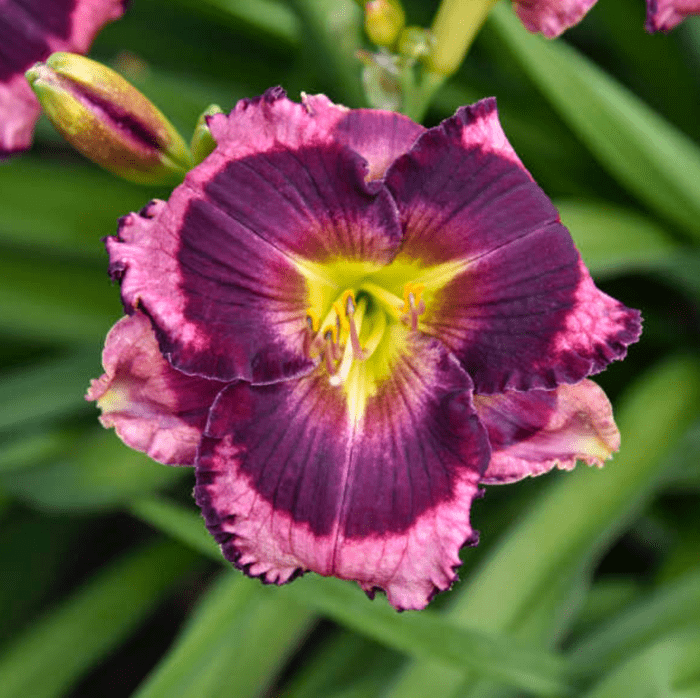
Rainbow Rhythm ‘Storm Shelter’ Daylily
Scientific name: Hemerocallis hybrid
Zones: 3 – 9
This gorgeous daylily cultivar is truly magical. Producing 5-inch-wide blooms with purple petals, it is a “rebloomer,” producing a second set of flowers, and it’s fragrant, too. Plant in full sun or part shade.
Why we love it: This plant is truly hardy. The grower says this daylily can survive in many environments where other flowers cannot; polluted cities, slopes, poor soils, near salted pavement in winter and under Black Walnut trees.
Love purple perennials? Check out our picks for fabulous foliage plants to add pizzazz to your yard.
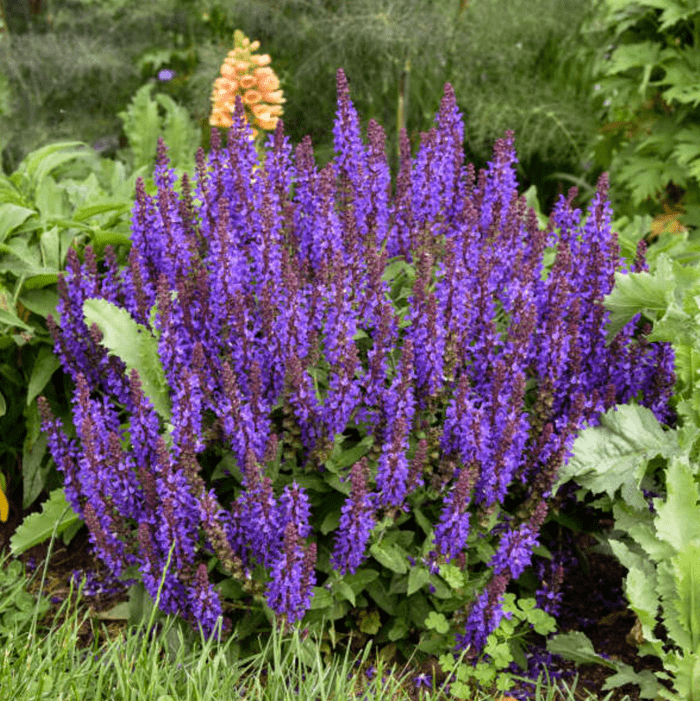
Salvia ‘Violet Profusion’
Scientific name: Salvia nemorosa
Zones: 3 – 8
A pollinator and hummingbird favorite, salvia is beloved by gardeners everywhere. This cultivar produces purple blooms all summer long, provided gardeners sheer back spent flowers to allow for regrowth.
Why we love it: Salvia is easy to take care of. Simply place it in full sun and water it occasionally.
Discover the top 10 purple hummingbird flowers to add to your yard.
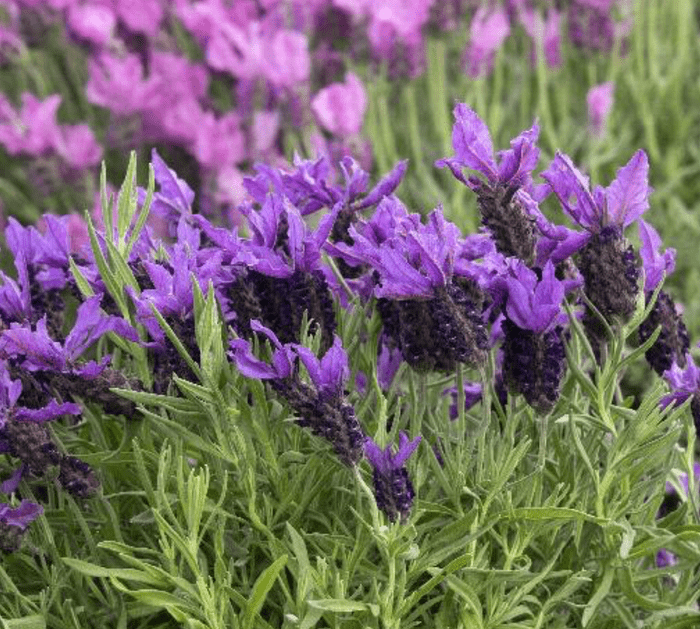
Javelin Forte Deep Purple Spanish Lavender
Scientific name: Lavandula stoechas
Zones: 7 – 9
There’s nothing quite like the sweet scent of lavender in the garden. This plant tolerates drought well, and it endures cold, wet winters (although not the cold, wet winters in the far north). Plant in full sun and water occasionally.
Why we love it: Lavender attracts butterflies, and it’s a perfect pick for a cutting garden.
Discover 7 essential facts about lavender plants, and learn how to add lavender to your garden.
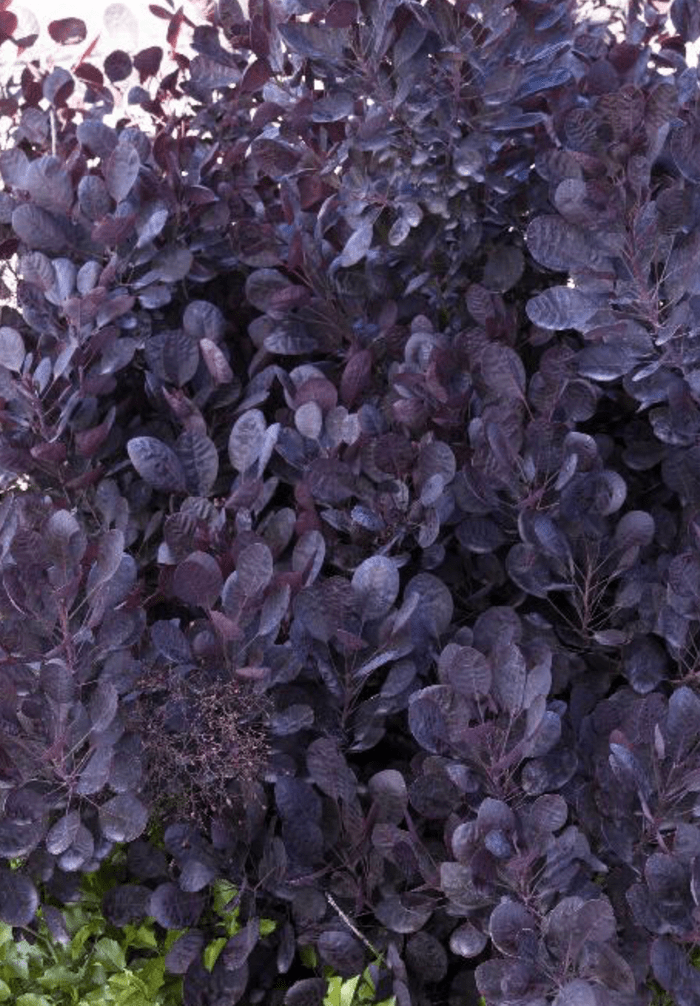
Lilla Smoke Bush
Scientific name: Cotinus coggygria ‘Lilla’
Zones: 4 – 8
Purple leaves and pink flowers combine to make this this plant a valuable addition to the garden. Plant in full sun or part shade; give deep, occasional waterings.
Why we love it: It looks great in summer, but it’s also a fantastic pick for fall interest. Its leaves turn bright red and orange as the weather cools.
Discover the 10 prettiest pink perennial flowers to grow.
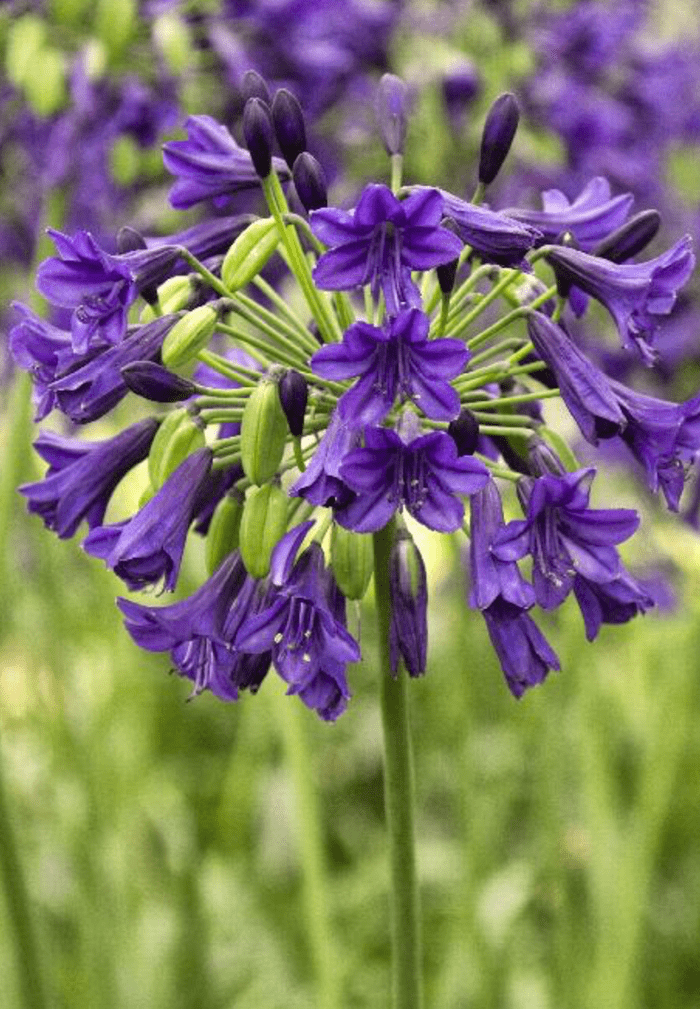
Purple Potion Agapanthus
Scientific name: Agapanthus inapertus ‘HinGrkop’
Zones: 7 – 10
The unique flowers on this plant are sure to make anyone visiting your garden pause to admire them. Plant in full sun and water regularly.
Why we love it: It makes for a great border plant in tricky areas, like along driveways and around flagstones.
Extend the color show with these flowering perennials that bloom all summer.
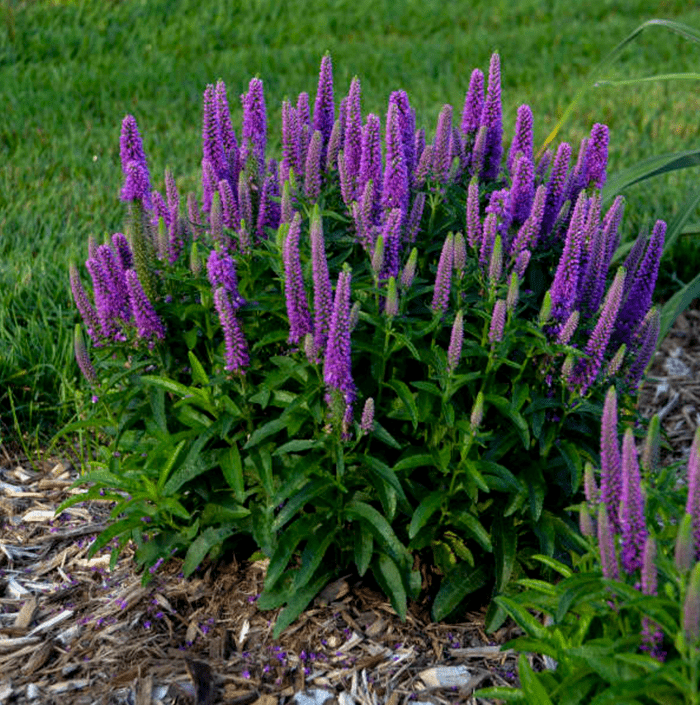
Magic Show ‘Purple Illusion’ Spike Speedwell
Common name: Veronica hybrid
Zones: 4 – 8
This easy-to-grow perennial, with its long-lasting spiky purple flowers, adds vertical interest to your flower gardens and borders. Plant speedwell in full sun for the best flowering, but it can also handle light shade.
Why we love it: Bees and butterflies can’t resist it, but deer will leave it alone.
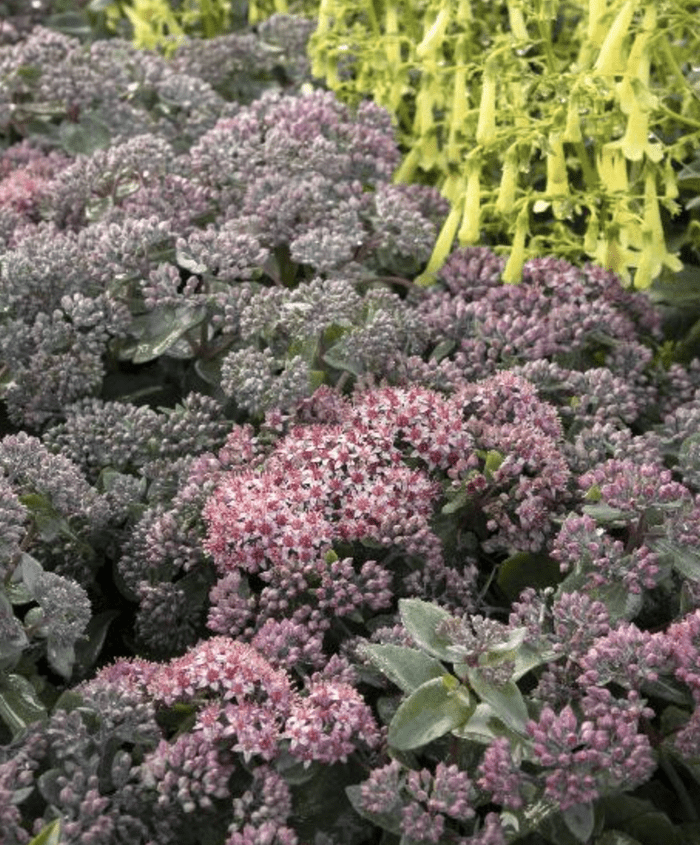
Evolution Purple Crush Sedum
Scientific name: Sedum ‘TNSEDEPC’ PPAF
Zones: 4 – 9
Sedum is one of the best picks for season-spanning interest, and this particular sedum adds a splash of purple to your yard. Its foliage is deep purple, and it sprouts pink blooms in summer. Grow in full-to-part sun, watering occasionally. Pair it with bright yellow or lime green plants for dramatic contrast.
Why we love it: Sedum attracts butterflies, and this cultivar tolerates both cold and poor soils.
Add more bold color with the top 10 burgundy perennial flowers.
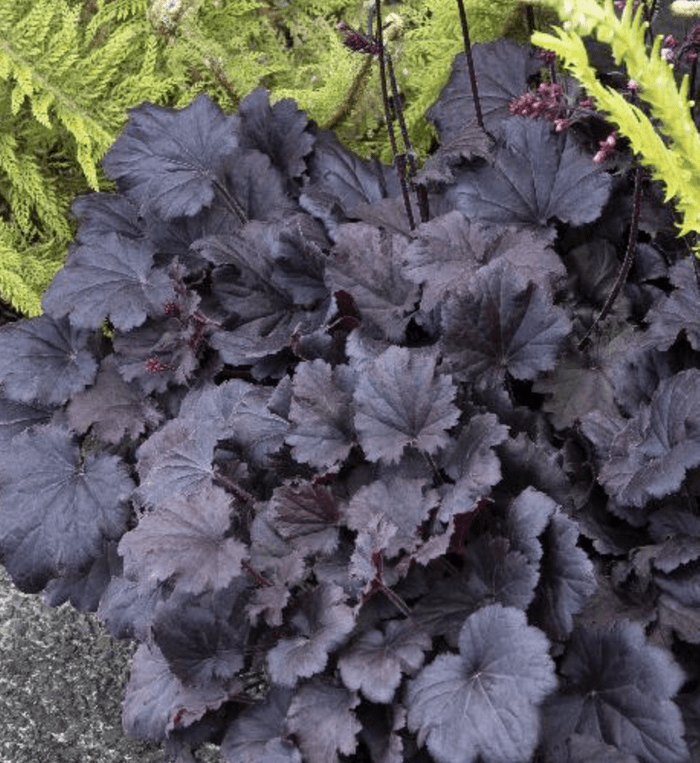
Siren’s Song Dark Night Heuchera
Scientific name: Heuchera ‘TNHEUSSDN’ PPAF
Zones: 4 – 9
Coral bells cultivars are known for being shade-tolerant and attracting hummingbirds, and this dramatic, attention-grabbing variant does both. With its deep purple-red foliage and pink blooms in spring, it’s sure to inspire admiration from all those who visit your garden. Blooms year-round in warm climates; in very cold climates, it serves as an annual.
Why we love it: Coral bells are relatively easy to care for, requiring only weekly watering.
Next, discover even more low maintenance perennials to grow.
Originally Published: July 25, 2022
