


The Pros and Cons of Crown of Thorns

Updated: Apr. 24, 2020




Crown of Thorns is easy to grow indoors and out. But there are few caveats to be aware of before you add this plant to your collection.
Is Crown of Thorns a good choice for your home or garden? Take a look at these pros and cons before you decide.

Pro: Year-Round Flowers
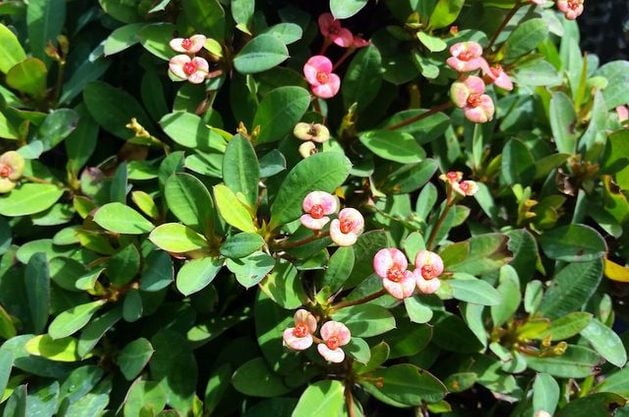
Crown of Thorns has red or yellow clusters of flowers, with newer varieties boasting larger blooms. In the right growing conditions you’ll have these flowers year-round. Be sure to provide plenty of direct sunlight – at least 3 or 4 hours a day. Give it the sunniest window you have, and move it outdoors for the summer. This plant dislikes sudden temperature changes, and reflects that by ceasing to flower. Be patient – once it adjusts to the new setting, the flowers will return.
Con: Spines, Lots of Spines
The “thorns” in this plant’s common name are no joke. The woody stems of Crown of Thorns are covered in long sharp spines. It’s impossible to handle this plant without getting stuck at least once or twice, so always wear garden gloves, even when watering.

Pro: Easy-Care Succulent
This spiny succulent is shockingly easy to care for, indoors or out. As long as it receives enough sun and is planted in well-drained soil, it should thrive. Water when the top inch of potting soil is dry to the touch. Poke a stick an inch down into the soil and see if it comes up dry. If so, it’s time to water. Water thoroughly and let the excess flow out the bottom. Empty the saucer afterward so the roots don’t sit in the damp and rot.
Con: Latex Sap
Like all euphorbias (including poinsettia), Crown of Thorns has copious amounts of latex in its leaves and stem. This latex can irritate the skin and even cause serious allergic reactions in some people. This offers another reason to always wear gloves when handling this plant. If you or anyone in your household has a latex allergy, pass on this one entirely.
Pro: Grows Well Inside
A year-round flowering plant that does well indoors is the dream of many houseplant collectors. Crown of Thorns likes the same average temperatures as humans (60 – 75 degrees F), but can tolerate temps as low as 50 F or high as 90 F. In zones 9B and higher, you can grow it outdoors as long as you protect it from frost, unless you regularly experiences temperatures higher than 95 F or so. Everyone else should find their home environment just about perfect for this bloomer.
Con: Poisonous If Ingested
Remember that latex sap? It’s poisonous if ingested. If you have kids or pets in your house, this may not be the right choice for you.
Originally Published: October 18, 2017

