


A Beginner’s Guide to Growing a Camellia Bush

Updated: May 17, 2024




Camellia flowers are beloved in the south. Evergreen leaves and fall-to-spring blooms make them favorites. Learn how to grow a camellia bush.
On This Page
Camellia Bush Care
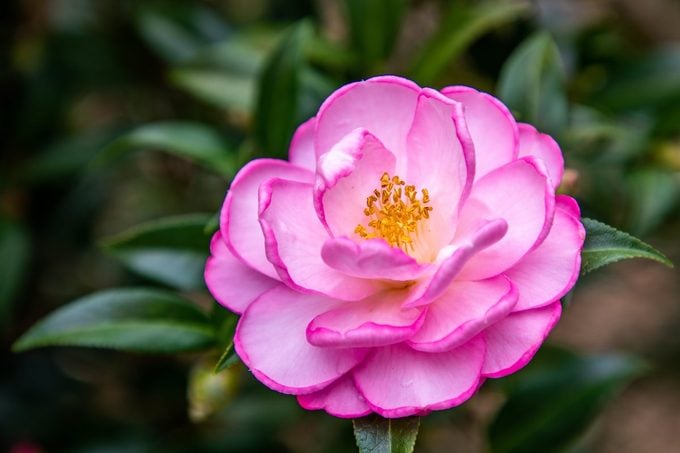
The lovely waxen flowers of a camellia bush are a symbol of southern elegance. Alabama even chose camellias for the state flower. Camellias have a reputation for being somewhat difficult to grow, but if you’re willing to meet their needs, they’ll reward you with a long bloom season just when you need it most, between fall and spring.
There’s a lot to know about growing this beautiful evergreen flowering shrub. For more information, visit the website of the International Camellia Society.
When Do Camellias Bloom?
The camellia group (Camellia spp.) features over 260 species, some of which bloom as early as October. Look for most flowers to appear in December or January and enjoy their colors through April. C. japonica is a common species with evergreen foliage and white, pink, red, yellow or lavender flowers.
C. sasanqua blooms in mid-fall to early winter, while C. japonica flowers from mid-winter through early spring. Hybrids can fall into either category, so be sure to read up on the plant information before buying.
Both species have been cultivated into many hundreds of varieties, offering a huge array of flower colors and types, growth habits, fragrances, and more. There are choices to suit nearly any garden.
Bear in mind that camellias are not particularly hardy, and can’t withstand very cold winters. In zones 6 to 10, they can be grown outdoors. In colder climates, try growing camellias in pots that can be moved outdoors in summer, then move them into the house to enjoy their flowers in the fall and winter months.
Camellia Tea Leaves
Though they’re strongly associated with the southern U.S., camellias are actually native to southeast Asia. They’re part of a large genus (Camellia), whose most famous member is one that’s regularly dunked in teacups around the world. C. sinensis flowers may be insignificant, but the leaves are grown and harvested to make tea of all kinds.
Camellias: Sun or Shade?
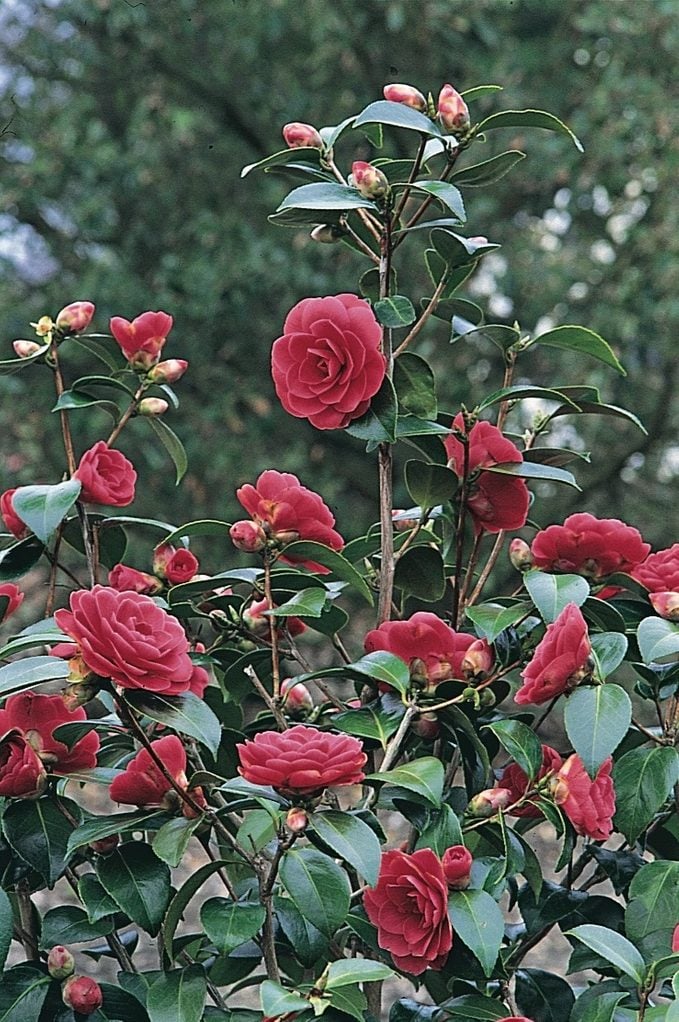
All camellias need some protection from the hot afternoon sun as young plants. However, plants that receive no sun will struggle to flower. Morning sun and dappled afternoon shade are ideal. As the plants grow older, their own heavy foliage will provide protection from the sun for the roots.
Check out easy-to-grow plants to add color to your shade garden.
Best Soil for Camellias
Camellias require two important characteristics in their soil: slightly acidic and well-drained. Before planting, test the soil to determine its pH. Camellias grow best in a pH range of 5.5 to 6.5; high pH levels will cause stress and yellowing leaves. If your soil is too alkaline, you can either amend it regularly with an acidic fertilizer, or try growing camellias in pots so you can easily control the soil pH.
It’s also important to ensure that the area you choose has well-drained soil, because camellias hate wet feet. Avoid spots in your garden that are regularly soggy. Not sure if your soil drains well? Dig a hole about 12 inches wide and deep, and fill it with water. If it drains in 10 minutes or so, your soil is fast-draining and should work well for these flowering beauties.
How to Plant a Camellia Bush
Camellias (like most plants) need plenty of water when they’re young and establishing root systems. Because rain water is naturally slightly acidic, it’s perfect for watering in new shrubs. Tap water is an adequate substitute, but since regular application may change the acidity of the soil depending on your water quality, test the soil regularly in the beginning. After they’re established, camellias rarely need supplemental watering.
When is the best time to water plants?
Camellias are a little picker about how they’re planted than most. If they’re planted too deeply or mulched too heavily, the stems can rot and kill the plant.
- Dig the planting hole the same depth as the root ball, then add a few inches of soil back into the hole to slightly decrease the depth.
- When you set the plant down into the hole, the top of the root ball should be slightly above the level of the surrounding dirt.
- Fill in the hole, sloping the fill dirt up to the top of the root ball without covering it.
- Mulch lightly, no more than about an inch.
When to Plant a Camellia Bush
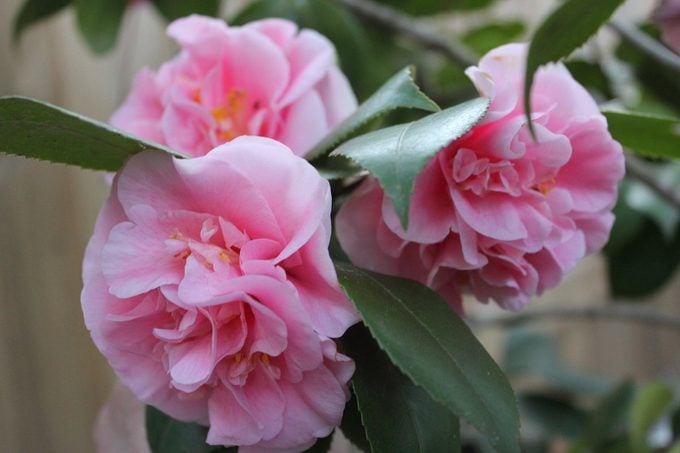
In most areas, it’s best to plant camellias in the spring so they have a long warm season to establish themselves. In warm-winter climates, they can be added to the garden anytime. Though it’s wise to avoid the hottest months of summer.
Get the best tips on how to plant shrubs and bushes.
When to Prune a Camellia Bush
In order to know when to prune a camellia bush you need to know what type of camellia you have. Sasanquas bloom in late fall, and start to set buds the spring before. Prune them immediately after flowering ends in early winter. Japonicas flower later, and can also be pruned just after their bloom season ends. Hybrids may flower at either time. So simply prune when the flowers are done.
Learn when to prune hydrangeas for big, showy blooms.
Camellia Buds Falling Off
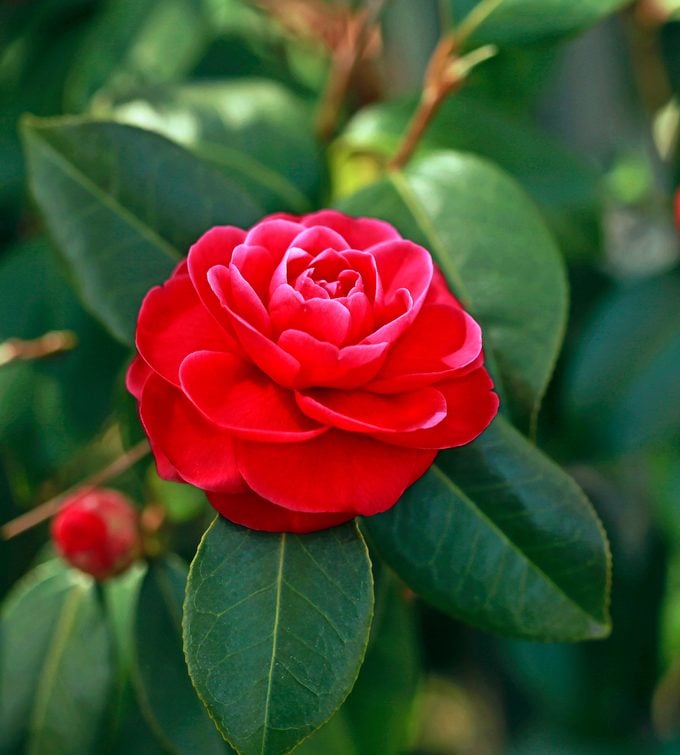
My camellia hedge gets lots of buds, but most never open and fall off. How do I fix this? —Birds & Blooms reader David Fairchild
Garden expert Melinda Myers says, “Make sure your camellia bush receives consistent and sufficient moisture, as a lack of water can result in bud drop. But be careful not to overwater, which can lead to root rot and decline. In addition, camellias often produce more flower buds than the plant can support.
Reduce the risk of bud drop by removing the flower buds along the branch, leaving just one large bud at the tip of each stem. Some camellia enthusiasts apply gibberellic acid, a plant growth hormone, to the bud scar next to the remaining bud to improve flowering.”
The American Camellia Society’s website, americancamellias.com, has additional resources on both methods.
Next, learn how to grow and care for a forsythia bush.
Originally Published: January 04, 2023

