


How to Grow and Care for Alstroemeria Flowers

Updated: May 09, 2023




Alstroemeria, also known as Peruvian lily flowers, are popular with gardeners and florists. Find out how to grow these long-blooming beauties.
Alstroemeria Flower Care
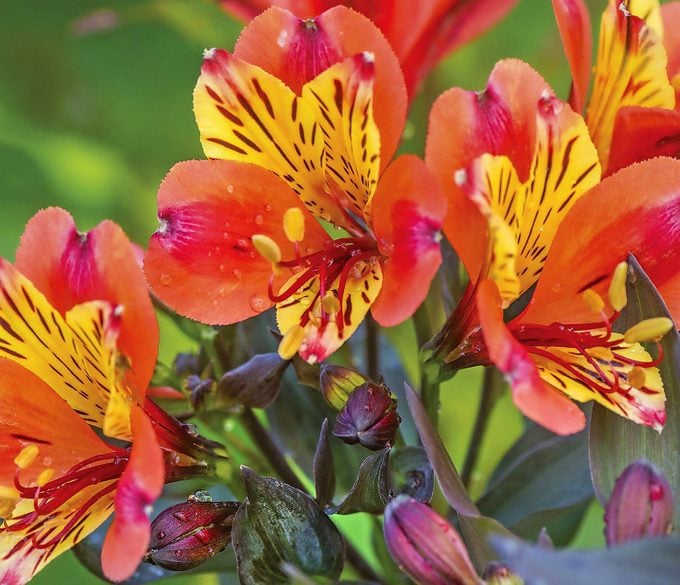
- Alstroemeria
- Zones: 6 to 10
- Light needs: Full sun
- Soil: Well-draining
This resilient perennial flower blooms for months, from summer through fall. Alstroemeria can be planted with other flowers in containers or featured all on its own in a border. It will return year after year when kept in well-draining soil in a sunny location. Deer typically leave it alone.
Consider adding these plants to your cutting garden. The tropical-looking flowers will stay fresh for two weeks or even longer in a vase. For best results, pull (don’t cut) flower stems when they first open.
The vibrant, exotic look of alstroemeria is also super attractive to hummingbirds looking for a colorful source of nectar. In excessively hot or dry conditions, flowering may slow down, but it should pick back up in cooler fall weather. This is a favorite perennial for gardeners in the West, where the plants flower all summer. Fertilize and water your plants regularly, but make sure the soil is not soggy or the tubers could rot.
There are many colors to choose from. The Summer Saint cultivar features bright pink blooms. For vivid yellow and orange flowers, try Indian Summer.
See the top 10 beautiful lily flowers to love.
Other Common Names
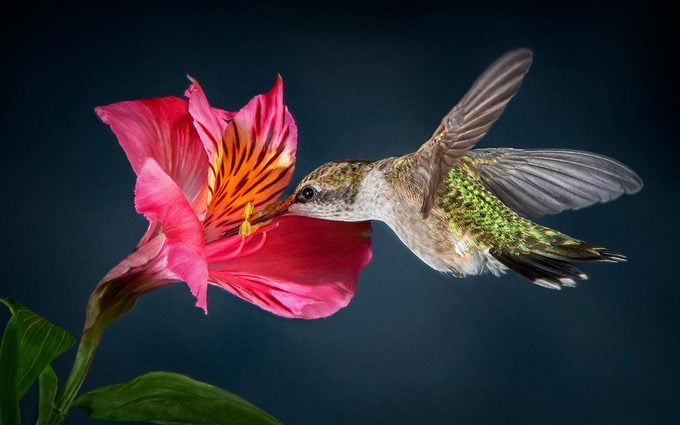
Alstroemeria is also commonly known as Peruvian lily, Lily of the Incas or Inca lily. Some people mistakenly think they are miniature versions of true lilies, however, these plants are in the Alstroemeriaceae family, not the Liliaceae family, and are native to Central and South America.
Daylily care 101: expert growing tips for gardeners.
Where to Buy Alstroemeria
If you want to grow these flowers in your own backyard, check with your local garden center or look at online for growers and garden retailers such as Burpee. These long-lasting blooms are also popular choices for bouquets and other floral arrangements, so consider them when you want to send flowers to someone special.
Next, learn how to care for Oriental lily and Asiatic lily plants.
Originally Published: May 09, 2023
