


How to Identify and Attract Pearl Crescent Butterflies

Updated: Sep. 17, 2020




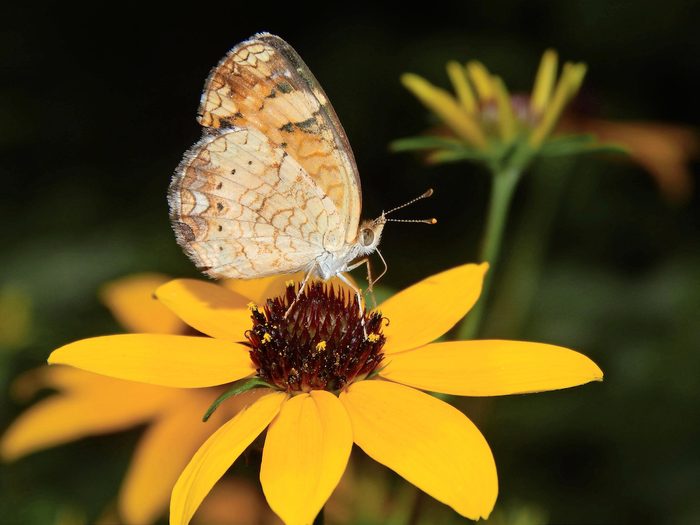
See what pearl crescent butterflies and caterpillar look like, boost your butterfly identification knowledge, and learn how to attract them to your garden.
Pearl crescent butterflies are delightful visitors to your yard or garden. Here are answers to the most common questions asked about these beautiful insects.
Where can I find pearl crescent butterflies?
Look for pearl crescents in most of the U.S. east of the Rockies and parts of southern Canada. They’re commonly spotted in gardens, fields, roadsides and near woodlands. Learn how to grow a wildflower meadow for butterflies,
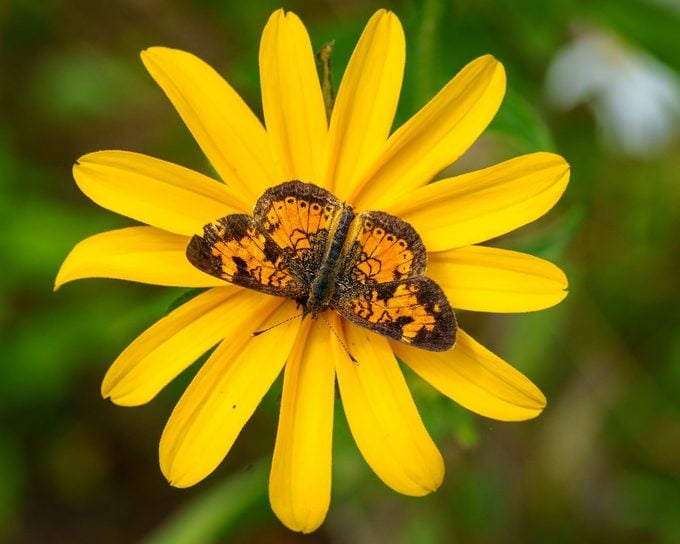
What kind of markings do they have?
The upperside of each wing is orange with large black patches and stripes. A small, pale crescent moon-shaped marking is on the underside of each wing. Follow this helpful cheat sheet to identify butterflies.
What do pearl crescent butterflies eat?
Asters are their favorite nectar source and your best bet for attracting adult pearl crescents. But you can attract these butterflies with almost any nectar producing flowers. Try these six go-to flowers for butterfly gardens.
Where do they lay their eggs?
Adults lay minuscule white-green eggs in clusters on a variety of asters, which are their host plants. Consider planting these late blooming asters that attract butterflies.
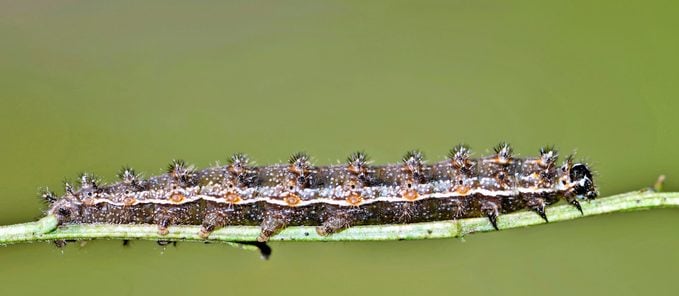
What do the caterpillars look like?
Pearl crescent caterpillars are brown with a cream stripe down the side and have many small spikes. Take this quiz and see how many caterpillars you can identify.
Originally Published: September 17, 2020
