


6 Tips for Watering Container Gardens

Updated: Jun. 19, 2020




Here's everything you need to know about watering your container garden plants to ensure they stay healthy and grow to their best potential.
Our editors and experts handpick every product we feature. We may earn a commission from your purchases.
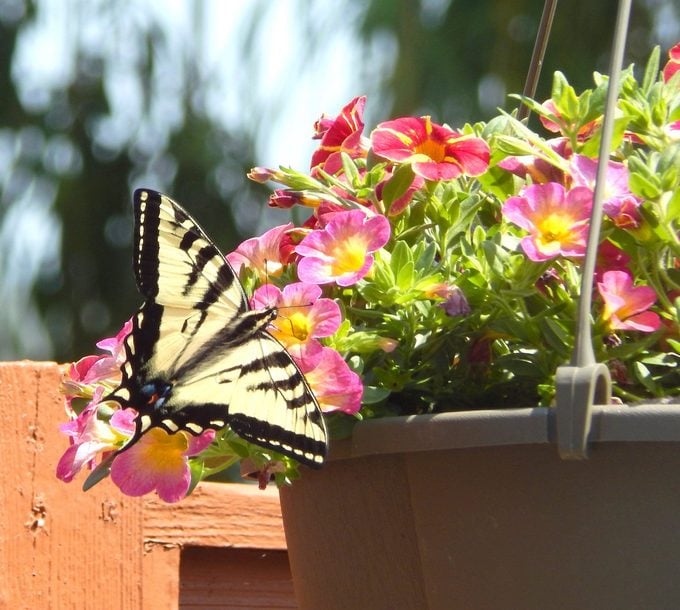
Every garden needs water to grow, but with a container’s small amount of soil, watering is vital for plants to look their best. But don’t overdo it, either. “Proper drainage is just as important as the amount of water added to the container,” says Andrew Holsinger, University of Illinois Extension horticulture educator. Follow these tips for watering your container plants.
Soil Type Matters
Avoid using garden soil in containers because it won’t drain properly. Look for potting mixes that include vermiculite or perlite to help with drainage. And a good balance of organic matter, such as compost, will provide the nutrients that plants need. Psst—here’s how to take your garden from good to great.
Pick the Right Container
Choose your container based on what plants you want to grow. A variety of containers will work for growing vegetables and herbs, but size does matter. Some plants such as tomatoes need more soil to accommodate the root system, so go big. If you’re reusing a container from last year, disinfect it before planting. Always select a container with drainage holes on the bottom so the plants don’t become waterlogged. These are the best plants for container shade gardening.
Container Materials
Pay attention to the material your container is made out of. Non-porous and porous containers will affect the soil’s moisture level. Potting mix in clay, fabric, and unglazed ceramic containers will dry out sooner than in plastic or glazed pots, so you will need to water plants frequently. Check out more container garden dos and don’ts.
How Often to Water?
Make sure you check containers daily. Most plants need to be watered when half of the moisture is gone. Don’t wait until the soil is completely dry. Use a soil moisture probe or estimate by the feel of the soil. The container will also become noticeably lighter as it dries out. Water thoroughly until you see water drain out of the bottom. Here’s how to conserve water in your garden.
Automatic Watering Options
For busy gardeners, there are solutions available. Self-watering containers include a reservoir of water to lessen the frequency of watering. Drip irrigation provides just the right amount of water to container plants when it’s needed. Learn how to revive your potted plants.
Prevent Water Loss With Mulch
Limit how much and how often you need to water by mulching the top of a container. “Mulch is an effective tool for reducing evaporation, even in container plantings,” Holsinger says. This is why organic mulch is best.
Originally Published: June 19, 2020
