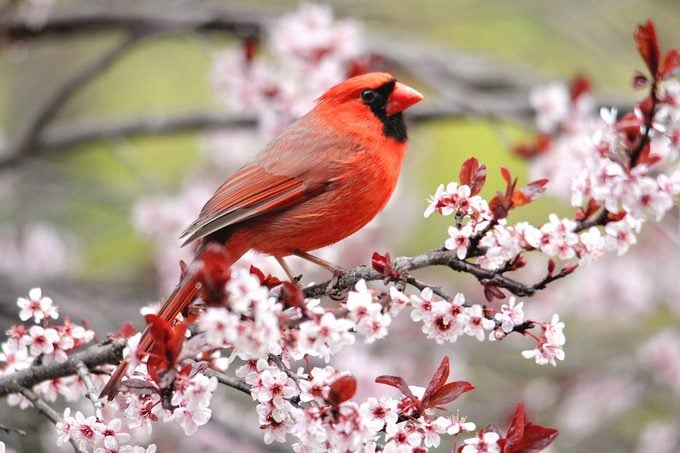
Want to add a tree to your landscape? Follow this checklist of tree planting tips and learn to care for trees from the roots up.
Tree Planting Tips: What to Know Before Planting a Tree
Additional reporting by Ally Childress and Molly Jasinski
Planting a tree is a wonderful investment for your property. It can cast lovely afternoon shade, add color and dimension, or attract wildlife. But there are several tree planting tips to consider before you bring home a sapling.
All trees are not created equal, so consider your options. How big does the tree get? How wide will the branches spread? How wet is your soil? How much sun does it get? Do you like the fall foliage color? “These are the core questions you want to think about before planting a long-living organism,” says Spencer Campbell, manager of the Plant Clinic at the Morton Arboretum in Lisle, Illinois.
Psst—this is why you need an oak tree in your backyard.
On This Page
How Much Space Do You Have?

While the saplings in the nursery look small, one day they could easily dwarf your home, depending on the species. Take a look around to make sure that there’s plenty of room for the branches to stretch outward. Keep in mind that trees are not one-size-fits-all. Each tree species has different spacing requirements.
Discover the best conifer tree species for landscaping.
Where Are Your Utilities?
Always call 811 or your local utility company before doing any digging. It will keep you safe, and make sure your backyard project won’t disrupt your service. Some wires and pipes are buried underground. While you’re outside, look up! Double check that there aren’t any utility lines overhead that the tree will touch as it grows upward.
Learn fascinating maple tree facts you should know.
Trees Need Time to Get Established

To many novice gardener’s surprise, trees require a lot of attention when they are first planted. According the University of Minnesota Extension office, newly planted trees should be watered daily for the first week or two. In the first three months, trees should be watered two or three times a week so they develop strong roots. (P.S. check to see if your water hose reaches your tree, or you’ll be carrying a lot of water!)
What Kind of Tree Do You Want?

Here comes the fun part—picking out your tree. Consider what’s important to you and make a list. You may want a native tree that produces berries for birds, is disease resistant, offers beautiful spring flowers, has gorgeous fall color or is an evergreen. Make sure to pick a tree that fits in your climate and environment, too. Start your research with these traits in mind.
How Much Annual Maintenance Is Needed?
Some trees require more cleanup and tidying than others. For instance, the branches of weeping willows need to be trimmed annually to stay off the ground and cottonwood trees release flurries of snowy white fluff covered seeds.
When to Plant the Tree
Depending on where you live, autumn and spring are usually the best time to plant. Trees need time to establish before dealing with the hot summer sun or freezing ground in winter. Once you have a tree in mind, research to see what planting season suits it best.
Check the Growing Time
There are some trees that grow faster than others. River birch, sweet gum and tulip tree are all fantastic options if you want your tree to fill out quickly.
Dig the Hole and Prepare the Roots
“Remember, this is the last time the roots are ever going to see the sunlight,” Spencer says. Dig a hole two to three times as wide as the root ball, piling the dirt on a tarp for easy refilling. The root collar (where the roots slope away from the trunk) should be level with or above the ground. Gently loosen the soil where the root ball will sit, and place the tree in the hole. Remove any burlap or wire.
Cut off roots that are spiraling, or “girdling,” the trunk so they don’t choke off nutrients. Refill the hole, then gently tamp the ground to remove air pockets where pests and disease-causing organisms hide.
Tree Care Tips After Planting
“It’s important to take care of trees because they provide so much to us,” Spencer says. Trees enliven outdoor spaces, provide habitat for wildlife, reduce heating and cooling costs, and increase property values. Tree maintenance can be species- and climate-dependent, but these basic tasks keep trees healthy and happy.
Watering
Regular watering during the first few years helps promote healthy root systems. A slow-release watering bag works great, or just use your garden hose. Spencer says if you get about an inch of rain per week, you generally don’t need supplemental watering (depending on your particular climate). But it’s important to water during extended dry periods.
Pruning
Removing dead, damaged and diseased branches promotes air circulation and allows sunlight to reach all the leaves. Timing and cutting techniques are usually species-dependent, so call a licensed, certified arborist if you’re not comfortable. A pro will have the necessary tools and safety gear.
Mulching
Adding mulch helps regulate soil temperature, suppresses weeds and retains moisture, but there are wrong ways to do it. “Do not volcano mulch,” Spencer says, referring to piling a cone of mulch up against a tree’s trunk. Instead, make a bowl around the tree (but not touching it), and extend the mulch to the drip line. Repeat once or twice a year.
Fertilizing
Soil amendments do keep trees healthy, but do a soil test first to determine which nutrients may be deficient. Otherwise, you’re not helping—and you could be harming. Consult a certified arborist or university extension to choose the right treatment.
Support the Tree
Every tree needs different levels of support. Research whether your specific tree needs a stake.
Protect Trees Against Pests
Young trees are especially vulnerable to deer, who rub the velvet off their antlers and munch on tender shoots and buds. Use exclusionary fencing and trunk protection to deter deer, beavers and other wildlife, but never wrap anything around the trunk or branches that’s harder than the tree itself. Jute and corrugated plastic tubes are good choices that won’t harm your tree.
Smaller pests such as insects and fungi can be controlled by topical or soil applications, but the timing is important to minimize harm to the tree and to beneficial insects and pollinators. You also have to know what pest you’re dealing with. Spencer says to consult a pro.
Signs of Stress on Trees
Monitor your trees throughout the season for signs of stress, such as immature leaves and leaves that turn brown and decay too early; falling branches and branches that cross each other; split or cracked trunks; oozing sap; and discolored bark. Anything that’s outside the norm for your tree could mean a potential problem. “You don’t need a horticultural degree to identify these things,” Spencer says. “You just have to be familiar with your tree.” Always consult a professional before treating, though.
Read on: Oak tree galls: Can my tree be saved?
About the Expert
Spencer Campbell is the arboretum plant clinic manager at The Morton Arboretum in Lisle, Illinois. The Plant Clinic is a free nationwide service providing home gardeners and green professionals with plant and growing advice.