

12 Grand Ground Cover Ideas for Your Yard

Updated: Nov. 15, 2023




Capitalize on every inch of your garden with these ground cover ideas to fill otherwise empty areas. Whether you're working with sun or shade conditions, this basic gardening list features 12 of our ground cover favorites.
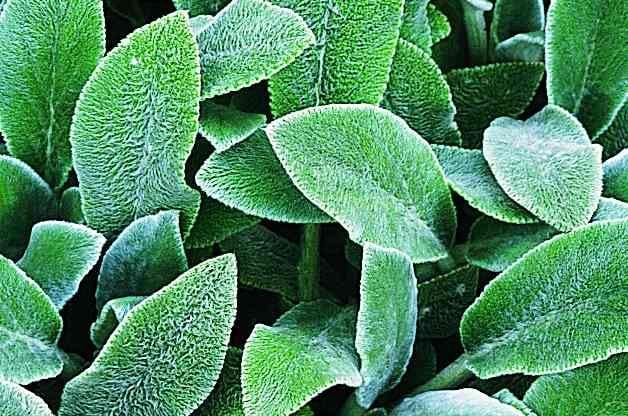
Lambs’ Ears
Stachys byzantina • Zones 4 to 8
With thick, woolly leaves, lambs’ ears is as soft as it looks. In early summer, spikes of small, pinkish-purple flowers, which range from 4 to 18 inches in height, bloom on most cultivars. Lambs’ ears makes a wonderful choice for beds and borders.
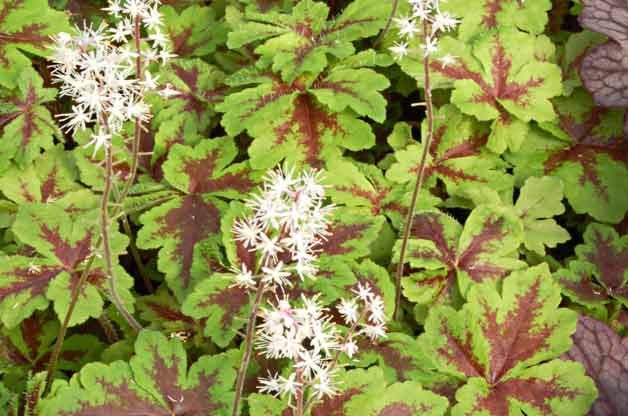
Foam Flower
Tiarella cordifolia • Zones 3 to 8
Putting on a spectacular show in late spring, foam flower’s dainty, blossom-dressed spikes offer a delicate note in containers. Just be sure to position your display in light to heavy shade, since this perennial doesn’t put up with bright sunlight.
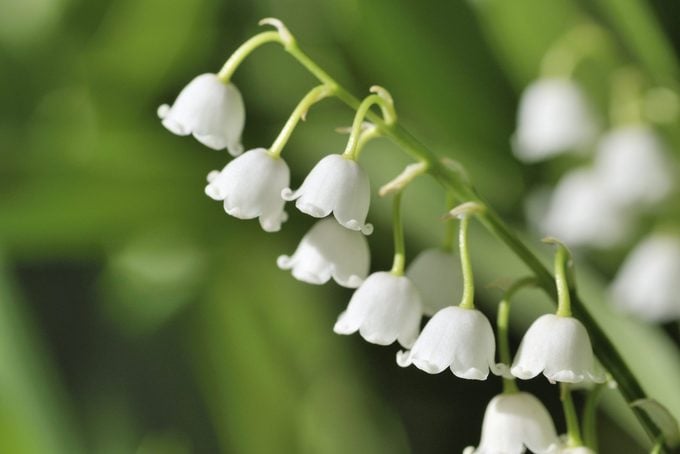
Lily-of-the-Valley
Convallaria majalis • Zones 2 to 7
This old-fashioned garden belle’s diminutive flowers and tender greenery might look delicate, but its appearance is deceiving. Truth is, lily-of-the-valley is tough as nails, able to adapt to conditions that topple even the most robust perennials. Clusters of fragrant, bell-shaped blooms grow on narrow, arching flower stalks. For plants under trees and shrubs, a yearly dose of fertilizer in spring will offer a hefty boost.
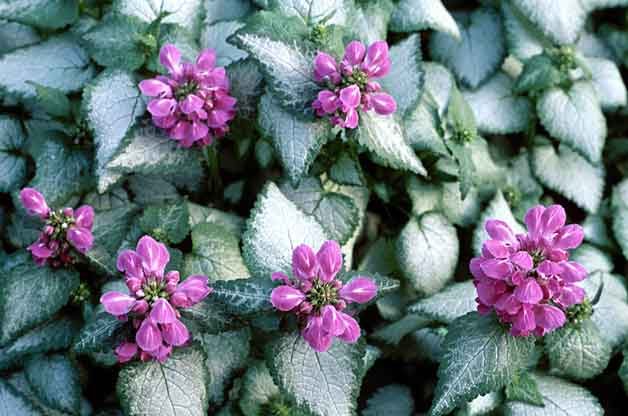
Lamium
Lamium • Zones 4 to 8
This pretty plant will definitely contribute a lovely new wrinkle to shady spots. Where some of these ground cover ideas can offer only color, lamium quickly adds a dense growth of corrugated foliage that is often variegated, for extra interest and visibility in shady spots. Use it to fill in bare areas under shrubs or other established perennials, where it will form textural mounds.
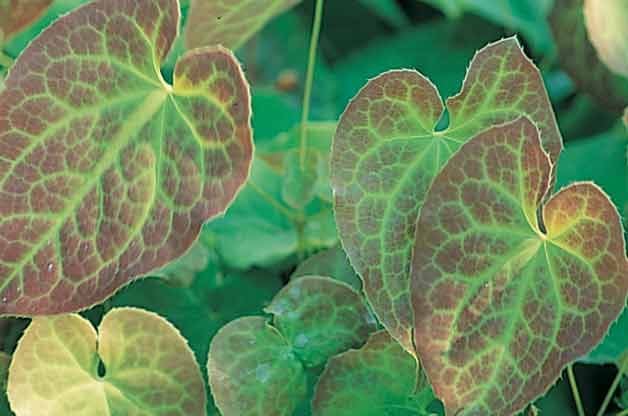
Barrenwort
Epimedium • Zones 5 to 9
Blanket your garden with a subtle splash of color. Barrenwort’s low-growing habit and delicate flowers work wonders in shady, otherwise bare areas under trees and shrubs. Its heart-shaped evergreen foliage often carries a pink edge or overall tint, which fades to bronze when autumn arrives.
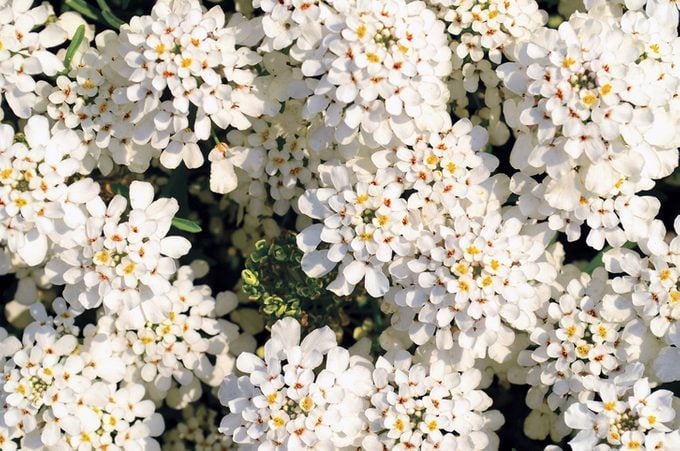
Candytuft
Iberis sempervirens • Zones 5 to 9
Roll out the white carpet for your garden with this dense mat of pale blooms perfect for borders, rock gardens or containers. Clusters of flowers bloom from spring into summer, leaving candytuft’s evergreen foliage to maintain interest all year through.
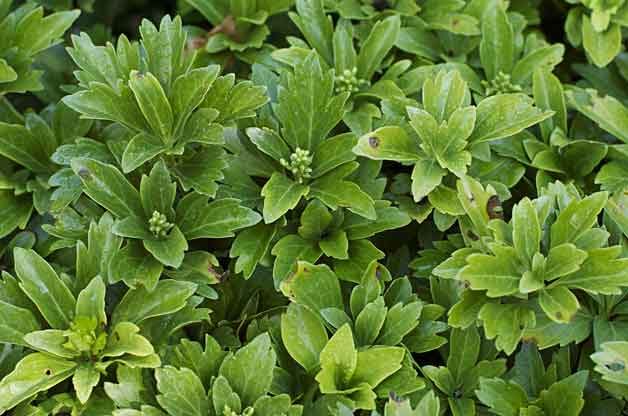
Pachysandra
Pachysandra terminalis • Zones 4 to 8
Regarded as the most dependable and resilient of ground covers, shade-loving pachysandra offers whorls of glossy evergreen foliage that are topped with white flowers in spring. Don’t fret if growth isn’t as profuse as expected in the first year. When it comes to pachysandra, good things come to those who wait a couple of years.
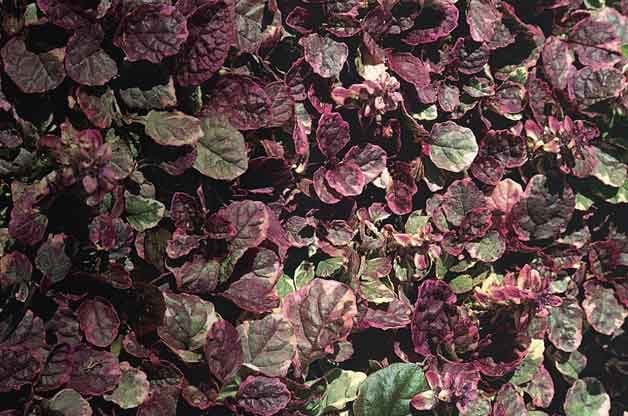
Common Bugleweed
Ajuga reptans • Zones 3 to 9
As ground cover ideas go, this evergreen perennial makes an excellent choice with its masses of green, bronze or variegated foliage. Spires of blue-toned flowers appear in late spring to early summer. Bugleweed is an aggressive grower and may invade lawns, so plant it within a barrier. On the upside, you won’t have to wait long for results.
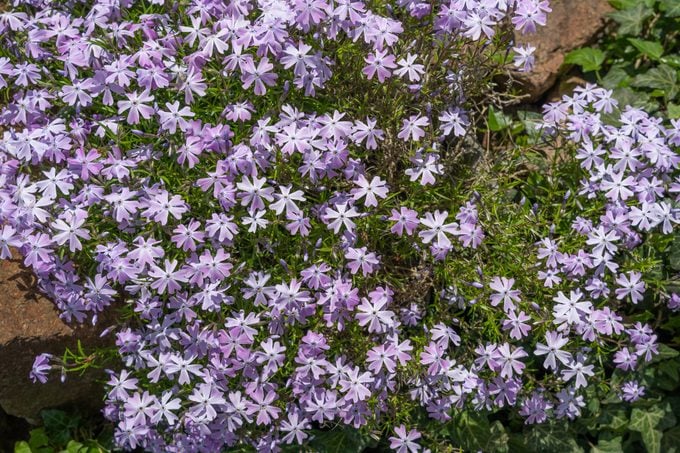
Creeping Phlox
Phlox stolonifera and Phlox subulata • Zones 4 to 8 and Zones 3 to 8
Topping off at just 6 inches high, creeping phlox is a smaller, low-growing, hearty relative of the familiar fragrant perennial. When it blooms in spring, it forms a cascading carpet of pretty little blossoms, making it a lovely choice for rock gardens. When nestled into a protective layer of mulch, creeping phlox doesn’t require much watering.
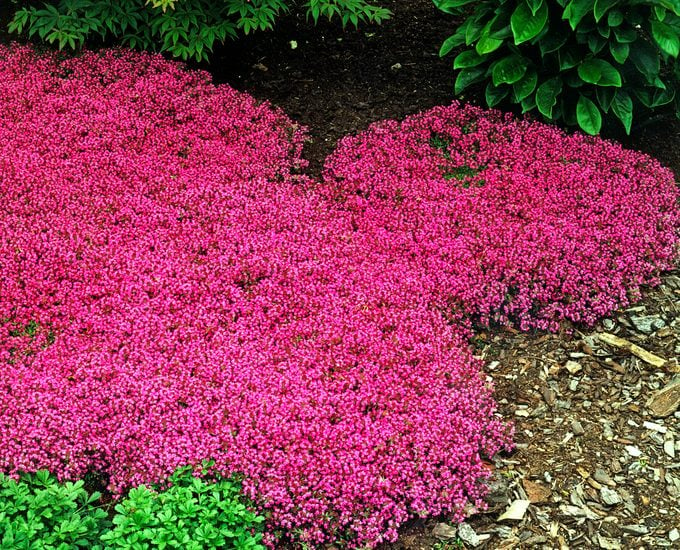
Creeping Thyme
Thymus polytrichus subsp. britannicus var. albus • Zones 5 to 9
Many of the most seasoned gardeners save a front- row seat for creeping thyme. Its short profile and low maintenance make it the perfect complement to any border, edging or even walkway.
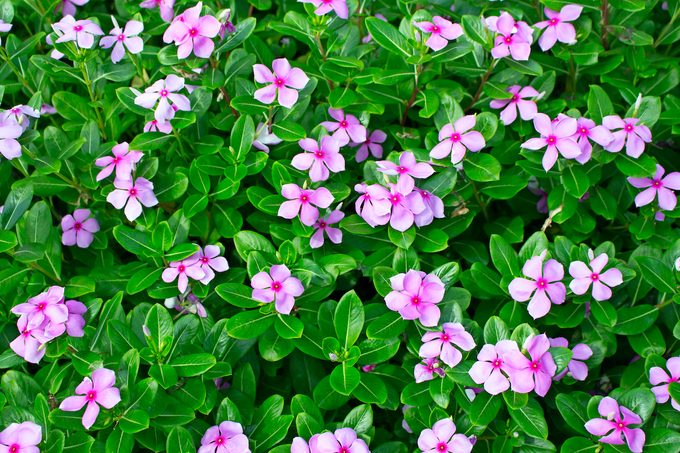
Madagascar Periwinkle
Catharanthus roseus • grown as an annual
If you experience lots of heat in summer, Madagascar periwinkle is the ideal plant on our list of ground cover ideas. It flourishes in full sun and doesn’t need excessive watering. In colder zones, this pretty plant is useful for filling in bare spots between perennials. In mild-winter areas, it may become invasive.
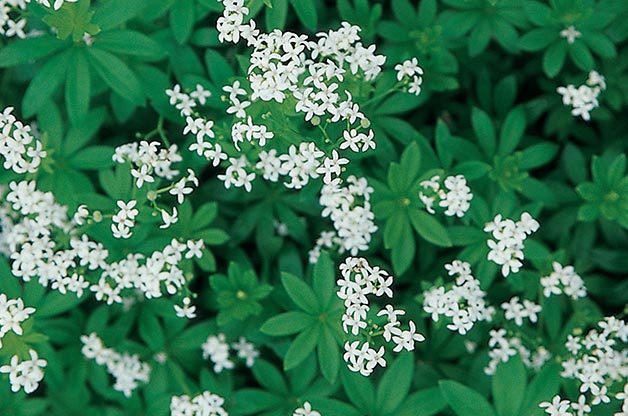
Sweet Woodruff
Galium odoratum • Zones 4 to 8
Despite its delicate appearance, this plant is tough and well suited to shady, wooded areas. Its star-shaped, white blooms last for several weeks in spring.
Originally Published: February 10, 2014
