Top 10 Flowering Trees

Flowering trees just might be the best of both worlds. You get the height and size of a tree, plus the beauty of blooms and sometimes even sweet aromas!

plant database
Photo: RDA GID

Cherry

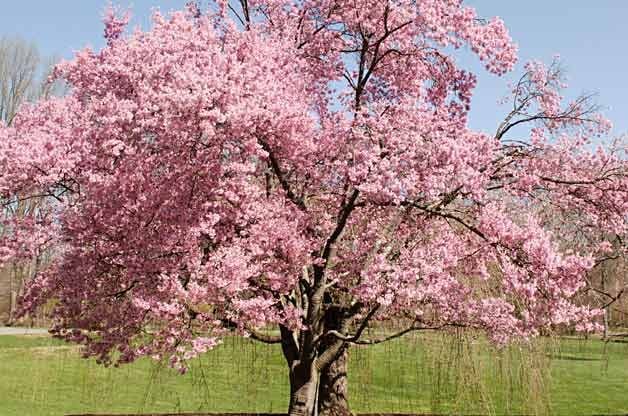
You're in for a treat if you plant a cherry tree. Whether you prefer flowers or fruit, this versatile tree offers something to satisfy just about any taste.

Cherry trees belong to the same botanical genus as plum, peach and flowering almond (Prunus). They're divided into three main types - sweet cherry, sour cherry and ornamental cherry. Sweet cherries produce the best berries for eating (if birds don't get them first), but generally need a temperate climate, as well as multiple varieties in one yard to thrive. Sour cherry is a hardier tree that yields tart fruit ideal for cooking or canning.

But if it's blooms you're after, select an ornamental variety, such as Japanese cherry (Prunus serrulata), for a glorious spring show of fragrant flowers.

  • Common Names: Cherry.
  • Botanical Name: Prunus species.
  • Hardiness: Zones 5 to 9.
  • Bloom Time: Spring.
  • Size: Up to 30 to 70 feet high (some ornamentals are much smaller); up to 30 to 50 feet wide.
  • Flower/Fruit: Clusters of pink or white flowers; small red fruit emerges in summer.
  • Light Needs: Full sun.
  • Growing Advice: Transplant cherry trees in spring. Select a protected spot to reduce the risk of winter damage or late spring frost.
  • Prize Picks: Popular backyard choices are the ornamental purpleleaf sand cherry (Prunus x cistena), with pink flowers and purple leaves, and the sergeant cherry (Prunus sargentii), which produces profuse flowers.

plant database
Photo: Park Seed, www.parkseed.com

Crabapple

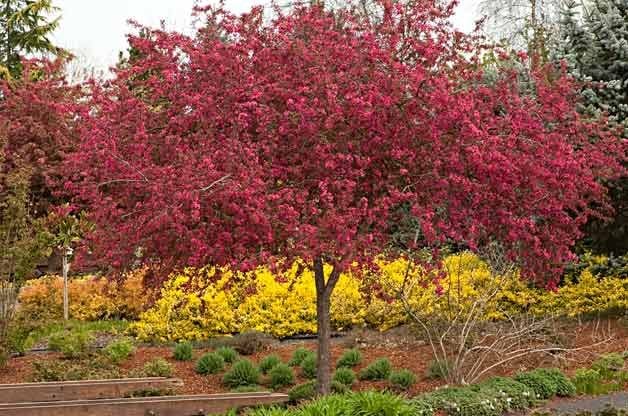
"Amazing Grace" may be a hymn, but it's also an apt description of the flowering crabapple tree. The spring blossom spectacle it produces can indeed be amazing. The flowers bloom so heavily they often hide entire branches of the tree. The blossoms give way to leaves and then fruit, but the color show persists, sometimes through winter. New varieties provide the flowers and resist common ailments, too.

  • Common Names: Crabapple.
  • Botanical Name: Malus.
  • Hardiness: Zones 4 to 8.
  • Bloom Time: Spring.
  • Size: 10 to 25 feet high, 10 to 25 feet wide.
  • Foliage: Green (some bronze), turning yellow in fall.
  • Light Needs: Full sun.
  • Growing Advice: Select disease-resistant cultivars with small, persistent fruit.
  • Prize Picks: The Japanese flowering crab (Malus floribunda) boasts a stunning display of deep-pink or red buds that fade to white, with yellow fruit that turns brownish-red in fall. For excellent disease resistance, consider Adams, which has pink flowers and long-lasting red fruit; Beauty with white to pink flowers and large dark-red fruit; or Baskatong with purplish-red flowers and fruit.

plant database
Photo: Park Seed, www.parkseed.com

Crape myrtle

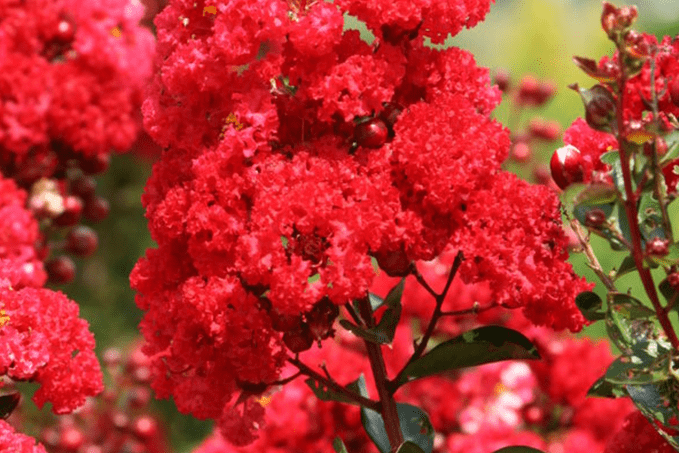
Crepe paper and crape myrtles have more in common than their pronunciations. Crape myrtle blooms not only resemble the delicate craft paper, but they come in almost as many colors, with flowers that can be shades of pink, red, white, or purple.

Crape myrtles are year-round beauties in the South, where they thrive in the warm climate and bloom from July to September.

But the show isn't over when summer ends. Fall brings a kaleidoscope of leaf colors, with reds, oranges and yellows mingling on the same tree. In winter, the smooth peeling bark adds a subtle charm to the landscape.
  • Common Name: Crape myrtle.
  • Botanical Name: Lagerstroemia indica.
  • Hardiness: Zones 7 to 9.
  • Bloom Time: Summer to autumn.
  • Size: 15 to 25 feet high, 6 to 15 feet wide.
  • Foliage: Elliptical; green, turning yellow, orange or red in fall.
  • Flowers: Upright clusters of pink, red, white or purple blooms.
  • Light Needs: Full sun.
  • Growing Advice: Choose a spot in full sun, and place trees in a hole at least twice the size of the root ball. Remove first flush of flowers to encourage second bloom.
  • Prize Picks: Natchez is a large variety with huge white flowers; Catawba is smaller and sports deep-purple blooms; and Seminole is a compact tree that unfurls showy, bright-pink blossoms.

plant database
Photo: RDA GID

Flowering dogwood

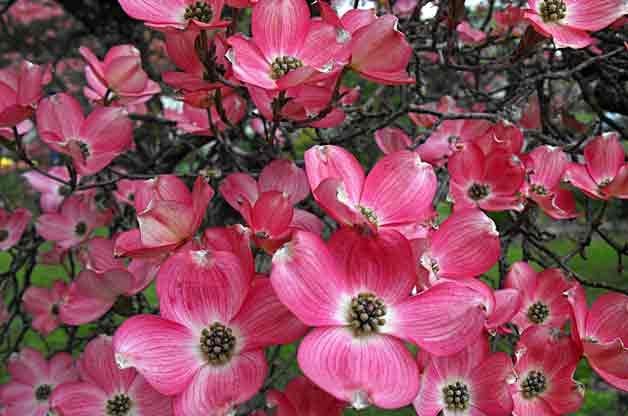
The flowering dogwood could have inspired the phrase "a breath of spring," even though its true flowers are green and small. It's the surrounding colorful bracts that put on the glorious show. These small trees are also lovely in fall, when foliage deepens to pink, red or purple.

  • Common Name: Flowering dogwood.
  • Botanical Name: Cornus florida.
  • Hardiness: Zones 5 to 8.
  • Bloom Time: Spring.
  • Size: Up to 20 feet high and up to 25 feet wide.
  • Flower/Foliage: The true flowers are green, and only 1/2 inch across. The more showy bracts - modified leaves that resemble petals - are pink, white or rosy red and up to 2 inches wide; leaves may be variegated, with yellow, white, or pink margins. Foliage turns pink, deep red, or purple in fall.
  • Light needs: Full sun to partial shade.
  • Growing Advice: They are susceptible to borers, anthracnose, and other diseases and should be planted in areas where foliage can dry well after dew or rain.
  • Prize Picks: Cherokee Chief has showy dark ruby-pink bracts. Cloud Nine has overlapping white bracts that flower freely-even when young.

plant database
Photo: Park Seed, www.parkseed.com

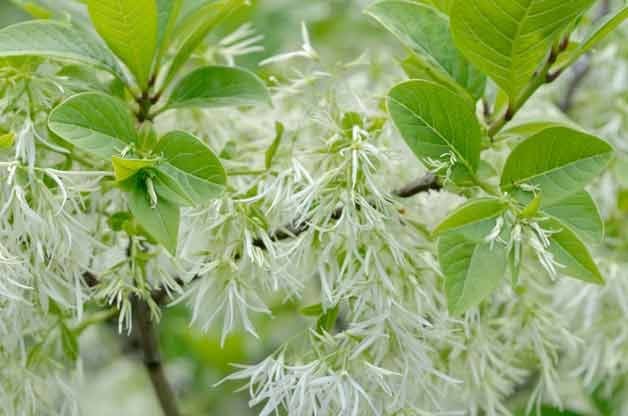
Fringe tree

Though certainly a decorative accent, fringe tree won't be on the outskirts of your gaze. Its sweetly scented, creamy white flowers weep along the dome-shaped silhouette in showy panicles so representative of springtime. Fringe trees are mostly grown from seed and are very slow-growing. But even at an average six inches a year, this delicate specimen is definitely worth the wait.

  • Common Names: Fringe tree.
  • Botanical Name: Chionanthus virginicus.
  • Hardiness: Zones 3 to 9.
  • Bloom Time: Spring and summer.
  • Size: 15 to 20 feet high, 20 to 25 feet wide.
  • Flower/Fruit: Panicles of fragrant white flowers; blackish-blue fruit.
  • Light Needs: Full sun.
  • Growing Advice: Fringe tree can work well as a shrub border, but if you want a tree-like species, prune lower branches.
  • Prize Picks: Dwarf fringetree, Chionanthus pymaeus, needs well-drained soil and attains about 6 feet in height over time.

plant database
Photo: Park Seed, www.parkseed.com

Goldenchain tree

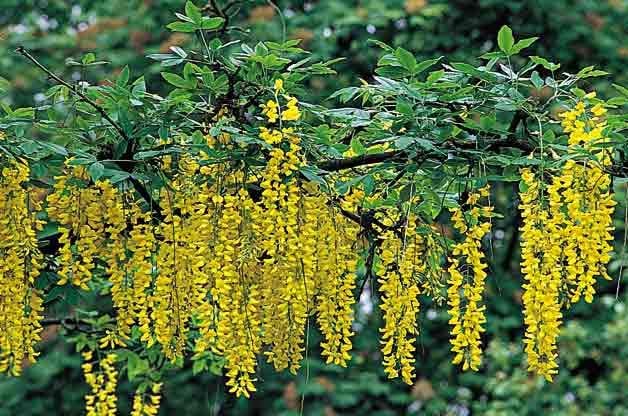
You can't help but take a second look at the goldenchain tree. In spring, graceful chains of yellow blooms drip from its branches. This smaller tree will make an impression when standing alone, but it's even more impressive when planted in a group.

One caution, however, all parts of this tree contain a compound that can be fatal if eaten.

  • Common Names: Goldenchain tree.
  • Botanical Name: Laburnum x watereri.
  • Hardiness: Zone 5 to 7.
  • Bloom Time: Spring.
  • Size: 12 to 15 feet high, 9 to 12 feet wide.
  • Flower/Foliage: Yellow panicles of pea-like flowers; bright green leaves.
  • Light Needs: Partial shade.
  • Growing Advice: Plant in moist and well-draining soil.
  • Prize Picks: Vossii may be the same thing, or it may be a superior cultivar valued for its denser growth habit and 2-foot-long flower clusters.

plant database
Photo:

Magnolia

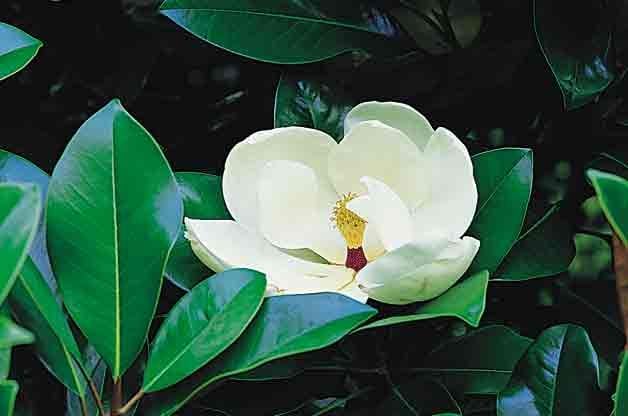
Big, bold, and beautiful - the southern magnolia is a legend in the Deep South. So much so, it holds the honor of being the state tree and flower of Mississippi, and is the state flower of Louisiana.

It's the granddaddy of flowering trees with white, lemon-scented blooms that reach up to 1 foot across. And its glossy deep-green leaves are just as impressive - up to 10 inches long. Its scientific name, Magnolia grandiflora, says it all!

  • Common Names: Southern magnolia, bull bay.
  • Botanical Name: Magnolia grandiflora.
  • Hardiness: Zones 7 to 9.
  • Bloom Time: Midsummer.
  • Size: 20 to 80 feet high, 20 to 40 feet wide.
  • Flower/Foliage: Enormous cup-shaped, lemon-scented white flowers up to 12 inches across; waxy evergreen leaves reaching 10 inches long.
  • Light Needs: Full sun or partial shade.
  • Growing Advice: Carefully select a place to plant these trees because they grow large and are difficult to move once established. Balled-and-burlapped or container trees are available in late winter and early spring. After planting, mulch around its root area.
  • Prize Picks: Edith Bogue and Victoria are superior cold-hardy choices. Little Gem is an excellent shorter-growing, shrubby selection.

plant database
Photo: Erv Evans, NC State University

Horse chestnut

For sheer show-stopping beauty, few ornamental trees can compete with the horse chestnut. This magnificent shade tree is one of the first to leaf out, setting the stage for sensational flower plumes in May.

With its imposing size and pretty spring show, the horse chestnut is a popular landscape choice for parks, college campuses, golf courses, and other expansive settings with room to showcase its charms.

  • Common Names: Horse chestnut.
  • Botanical Name: Aesculus hippocastanum.
  • Hardiness: Zones 3 to 7.
  • Bloom Time: Spring.
  • Size: 50 to 75 feet high, 40 to 70 feet wide.
  • Flower/Fruit: White panicles up to 5 inches wide and 1 foot long; shiny light-grown nuts inside spiny hulls.
  • Light Needs: Full sun to light shade.
  • Growing Advice: Plant balled-and-burlapped trees in spring; container-grown plants anytime during the growing season. Dig a hole as deep as the root system and 2 to 4 times the width of the root ball. Root flare should be at or slightly above soil. Do not amend soil in the planting hole.
  • Prize Picks: Baumannii produces long-lasting double white flowers and no fruits. Red horse chestnut (Aesculus x carnea) grows 30 to 40 feet tall and boasts rose-red flowers.

plant database
Photo: RDA GID

Redbud

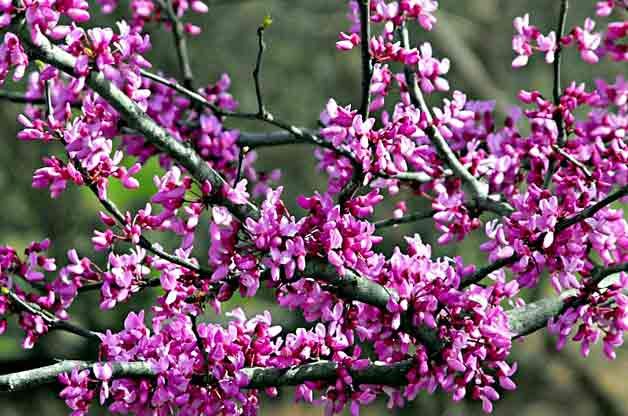
After a long winter, the welcome sight of blooming redbud trees reminds us that spring is on its way! Redbuds steal the early spring show. They most often bloom in shades of pink - a welcome contrast to other early spring flowering trees (such as serviceberry and pear) that bloom white.

Redbuds burst with a profusion of pea-like blossoms before their leaves emerge. The clusters of flowers will not only appear on new growth, but also on trees' trunks and older branches.

  • Common Names: Redbud.
  • Botanical Name: Cercis.
  • Hardiness: Zones 4 to 10.
  • Bloom Time: Early spring.
  • Size: 10 to 40 feet high.
  • Flower/Foliage: Red, purple, pink and white flowers; green, heart-shaped leaves.
  • Light Needs: Full sun to light shade.
  • Growing Advice: Plant seedlings in spring, choosing a location where the tree has room to grow wider than it is tall.
  • Prize Picks: Forest Pansy has violet-purple flowers and purplish leaves-gorgeous! The flowers of var. alba are white.

plant database
Photo: Park Seed, www.parkseed.com

Empress tree

Don't wait decades for the relaxing shade of a large flowering tree. Plant a fast-growing empress tree. Empress tree will shoot right up, soon dangling panicles of foxglove-like blooms even before foliating. You'll delight in the rich scent and marvel at its vigor. Just be sure to check if empress tree is invasive in your area.

  • Common Names: Empress tree, foxglove tree, princess tree, royal paulownia.
  • Botanical Name: Paulownia tomentosa.
  • Hardiness: Zones 5 to 9.
  • Bloom Time: Midspring.
  • Size: 40 to 60 feet high and wide.
  • Flower: Lavender.
  • Light Needs: Full sun or partial shade.
  • Growing Advice: Plant balled-and-burlapped trees in early spring. Shelter from cold, drying winds.

Follow us

facebook twitter Pinterest google+


Sponsored Links