Top 10 Plants for Sandy Soil

plant database
Photo: RDA GID

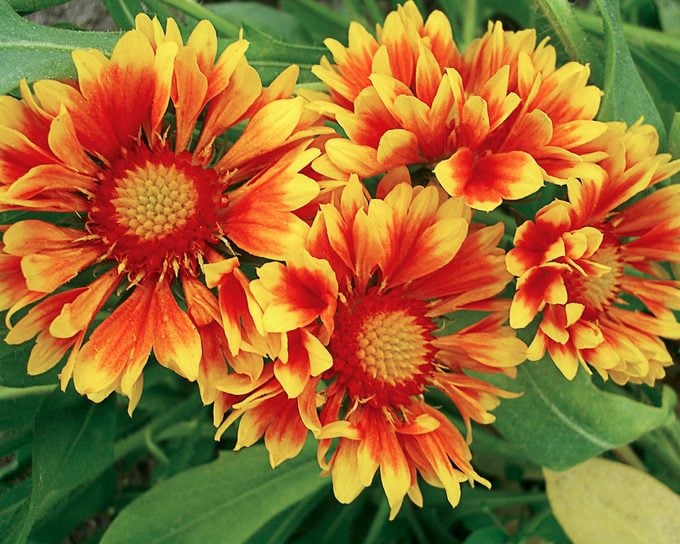
Blanket flower

This beauty's brightly colored blooms resemble those of Native American blanket patterns, thus the flower's name. Not only is blanket flower bright and cheery, it's one tough flower. Tolerant of drought and less-favorable soil conditions, blanket flower makes an excellent contribution to any sunny summer garden.

  • Common Names: Blanket flower.
  • Botanical Name: Gaillardia x grandiflora.
  • Hardiness: Zones 3 to 9.
  • Bloom Time: All summer.
  • Size: 2 to 3 feet high, 1 to 2 feet wide.
  • Flowers: Red or yellow with yellow or purple centers.
  • Light Needs: Full sun.
  • Growing Advice: Sow perennial types in spring or early summer. Start annual types indoors 4 to 6 weeks before planting outdoors. Wait for frost danger to pass before planting outside.
  • Prize Picks: New hybrid Fanfare sports distinctive a ruby center and golden, trumpet-shaped outer florets.

plant database
Photo: RDA GID

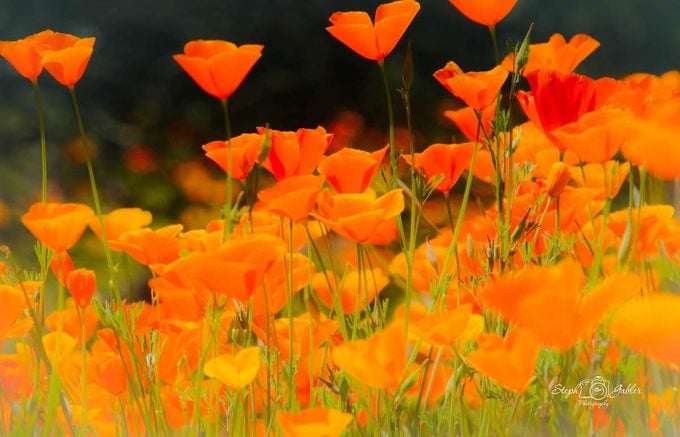
California Poppy

Sweeping across the arid foothills and valleys west of the Sierra Nevada, a sea of golden-orange California poppies light up the scenic landscape each spring.

The tall nodding blooms are ideal in rock and cottage gardens, rather than in formal flowerbeds. No matter where you plant them, be ready to remove some of the spent flowers to limit reseeding so the plants don't take over.

  • Common Names: California poppy.
  • Botanical Name: Eschscholzia californica.
  • Hardiness: Perennial in its native habitat, or grow as an annual in all zones.
  • Bloom Time: Summer.
  • Size: 8 to 15 inches high, 9 to 15 inches wide.
  • Flowers: Orange, red, yellow, pink, cream, and white four-petal, cuplike blossoms that measure 1 to 2 inches across.
  • Light Needs: Full sun.
  • Growing Advice: Sow seeds directly on soil in fall or winter in mild climates; sow in spring in cold climates.
  • Prize Picks: For full, semi-double or double blooms with frilled and fluted petals, plant Mission Bells or Ballerina. The Thai Silk line is compact and 8 to 10 inches tall and has fluted bronze-tinged flowers ranging from yellow to orange, red, pink, rose, cream and white.

plant database
Photo: Parkseed

Cleome

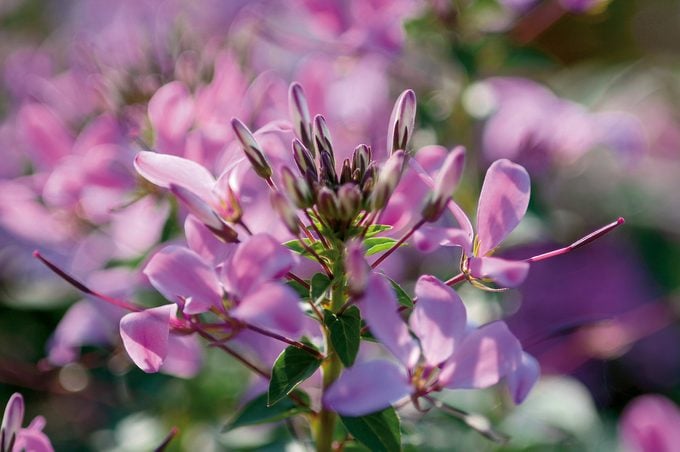
Plant cleome in your garden and you're sure to attract some attention. The tall stems of these graceful plants are hard to miss--topped by wispy pink, purple or white blooms that look like a spider's lanky legs. That explains why many people refer to cleome as spider flower.

Native to the tropics, cleome is an easy-care annuals that's the perfect backdrop or centerpiece in a flowerbed. Cleome tolerates poor soils and freely self-seeds for the following year, making it easy to grow an eye-catching crop of your own.

  • Common Names: Cleome, spider flower.
  • Botanical Name: Cleome hassleriana.
  • Hardiness: Self-seeding annual.
  • Bloom Time: Midsummer to first frost.
  • Size: 4 to 6 feet high, 2 feet wide.
  • Flowers: Pink, purple and white airy, spider-like flowers.
  • Light Needs: Full sun to partial shade.
  • Growing Advice: Plant seeds or container-grown plants after danger of frost has passed. In northern areas, give seeds a head start indoors.
  • Prize Picks: The Queen Mix features large flowers in a variety of colors. Sparkler Blush is a 2002 All America Selection with pink blooms that grows only 3 feet tall.

plant database
Photo: RDA GID

Cosmos

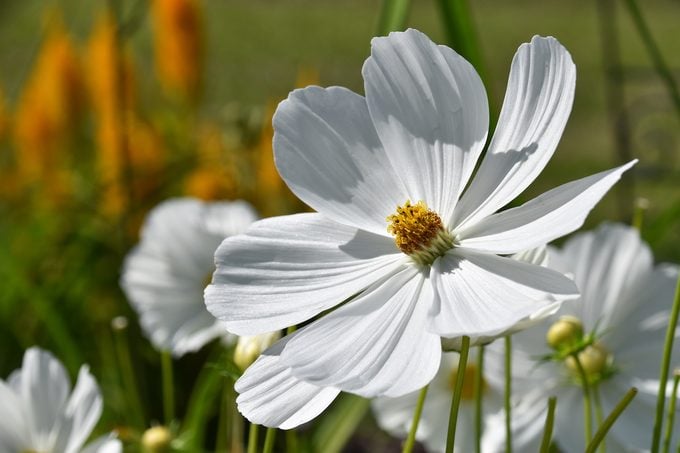
This beautiful annual will attract birds and butterflies to your garden with its colorful, pinwheel-shaped blooms. Its feathery foliage also is attractive and creates an airy appearance. Cosmos thrives in a variety of conditions, making it a garden must-have.

  • Common Names: Cosmos.
  • Botanical Name: Cosmos bipinnatus.
  • Hardiness: Annual.
  • Bloom Time: Summer to late fall.
  • Size: 1 to 6 feet high, 1 to 2 feet wide.
  • Flowers: Single or double daisy-shaped blooms in pink, white, red, purple, yellow-orange, and orange-red.
  • Light needs: Full sun.
  • Growing Advice: Sow seeds indoors 4 weeks before the last spring frost or plant directly in the garden in late spring. Place tall varieties of cosmos near a fence or provide stakes to help the plants stand up to the heavy wind and rain of summer thunderstorms.
  • Prize Picks: The semi-double orange blossoms of Diablo and the yellow, orange and red blooms of Bright Lights are two good selections. Sea Shells has fluted white, pink and crimson flowers. If you want shorter, more compact plants, try the Sonata Series.

plant database
Photo: Parkseed

Crape Myrtle

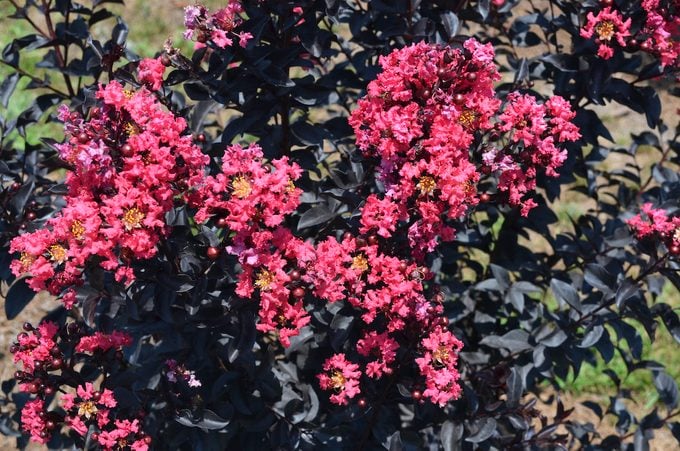
Crepe paper and crape myrtles have more in common than their pronunciations. Crape myrtle blooms not only resemble the delicate craft paper, but they come in almost as many colors, with flowers that can be shades of pink, red, white, or purple.

Crape myrtles are year-round beauties in the South, where they thrive in the warm climate and bloom from July to September.

But the show isn't over when summer ends. Fall brings a kaleidoscope of leaf colors, with reds, oranges and yellows mingling on the same tree. In winter, the smooth peeling bark adds a subtle charm to the landscape.

  • Common Names: Crape myrtle.
  • Botanical Name: Lagerstroemia indica.
  • Hardiness: Zones 7 to 9.
  • Bloom Time: Summer to autumn.
  • Size: 15 to 25 feet high, 6 to 15 feet wide.
  • Foliage: Elliptical; green, turning yellow, orange or red in fall.
  • Flowers: Upright clusters of pink, red, white or purple blooms.
  • Light Needs: Full sun.
  • Growing Advice: Choose a spot in full sun, and place trees in a hole at least twice the size of the root ball. Remove first flush of flowers to encourage second bloom.
  • Prize Picks: Natchez is a large variety with huge white flowers; Catawba is smaller and sports deep-purple blooms; and Seminole is a compact tree that unfurls showy, bright-pink blossoms.

plant database
Photo: Parkseed

Gazania

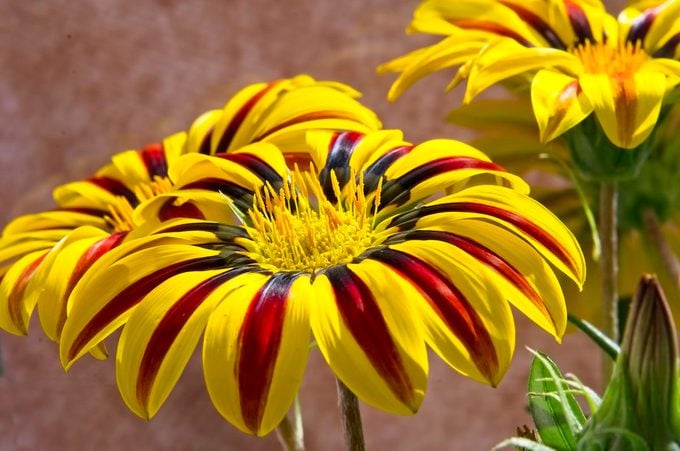
These daisy-like blooms thrive in the sand and worship the sun. Popular hybrids produce a stunning array of colors in not-so-attractive conditions. Gazania is drought tolerant, but it doesn't appreciate a lack of sun. In fact, the flowerheads close if the weather is too cloudy or cold.

  • Common Names: Gazania.
  • Botanical Name: Gazania.
  • Hardiness: Zones 8 to 10; may be grown as an annual.
  • Bloom Time: Late spring to fall.
  • Size: 3 to 8 inches high, 8 to 10 inches wide.
  • Flowers: Brightly colored, daisy-like blooms; bronze, shades of orange, pink, yellow, white red, brown, and green.
  • Light Needs: Full sun.
  • Growing Advice: Plant in sandy, well-drained soil.
  • Prize Picks: The Chansonette Series has an impressive mix of colors in 3- to 4-inch flowerheads. Award-winning Daybreak Red Stripe has bold yellow petals with red stripes.

plant database
Photo: Parkseed

Lavender

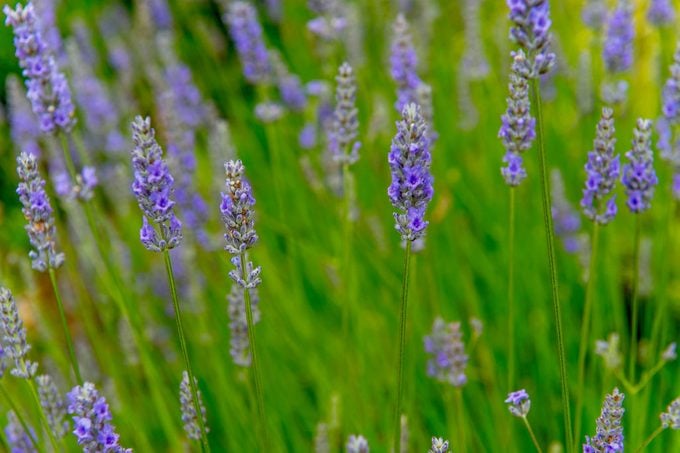
Used medicinally, this bloom is said to help put people to sleep. Backyard enthusiasts may balk at this, knowing that there's never a dull moment with lavender's lovely and fragrant blooms.

Lavender has stiff gray-green leaves on mounding plants that are often taller than they are wide. The hauntingly fragrant flower spikes come in various shades of purple as well as plain white and attract many butterflies, especially skippers, painted ladies, and sulphurs.

  • Common Names: Lavender.
  • Botanical Name: Lavandula.
  • Hardiness: Zones 5 to 10.
  • Bloom Time: Summer.
  • Size: 1 to 4 feet high, 1 to 4 feet wide.
  • Flower: Pinkish purple.
  • Light Needs: Full sun.
  • Growing Advice: Start seeds indoors 6 to 8 weeks before last spring frost, or outdoors after danger of frost passes.
  • Prize Picks: For showy purple stalks of flowers, choose tried-and-true favorites such as Hidcote and Munstead. Loddon Pink produces soft pink flowers atop bright green foliage.

plant database
Photo: Dutch Gardens

Penstemon

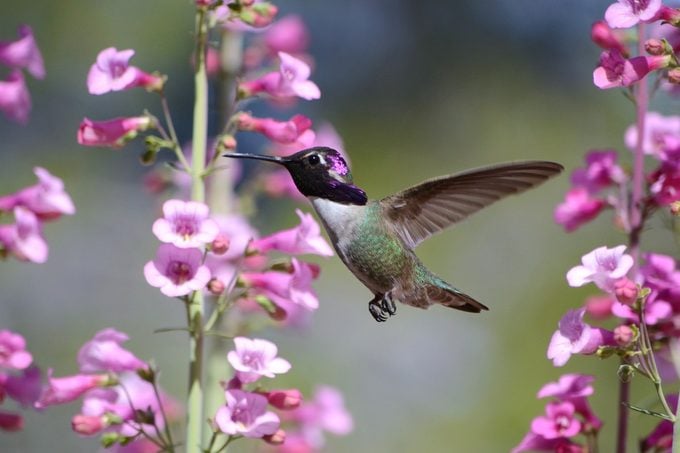
You'll be singing the praises of these tough beauties in no time. Penstemon features arching stems laden with spires of small tubular flowers that attract moths, butterflies, and hummingbirds.

  • Common Names: Penstemon.
  • Botanical Name: Penstemon.
  • Hardiness: Zones 3 to 9.
  • Bloom Time: Summer.
  • Size: 18 to 36 inches high, 12 to 24 inches wide.
  • Flowers: White, yellow, orange, red, pink and purple.
  • Light Needs: Full sun to light shade.
  • Growing Advice: Sow seed outdoors from late winter through early summer. Plant nursery-raised seedlings in late spring and water well until established.
  • Prize Picks: Gorgeous Husker Red owes its name to its reddish foliage and stems; the flowers are white with a pink cast. Penstemon barbatus has striking scarlet flowers; Penstemon gloxinoides comes in various attractive hues.

plant database
Photo: Parkseed

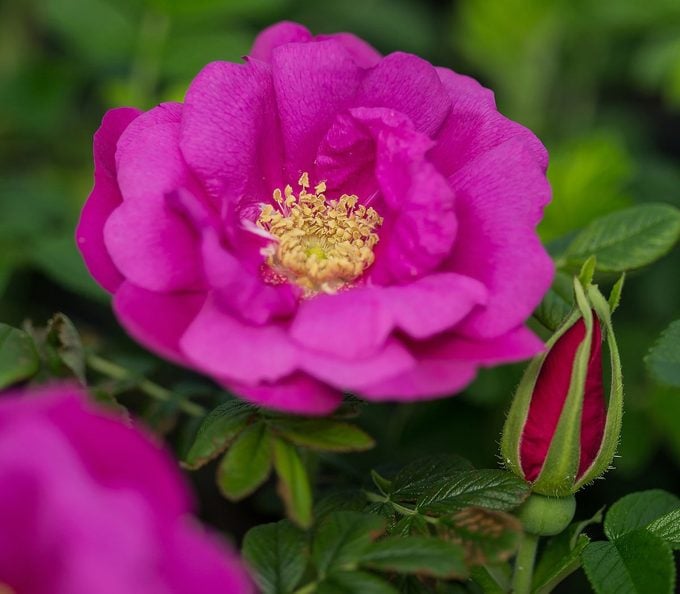
Rugosa rose

Love roses but hate the hassle? This fast-growing variety flourishes anywhere without the fuss. Rugosa roses handle poor soil conditions, from sandy to salty, and produce bright rose hips that attract countless birds.

  • Common Names: Rugosa rose, beach rose, Japanese rose, and salt-spray rose.
  • Botanical Name: Rosa rugosa.
  • Hardiness: Zones 2 to 8.
  • Bloom Time: Spring to autumn.
  • Size: 3 to 8 feet high, 8 feet wide.
  • Flowers: Cupped and fragrant white, red or pink flowers, which appear as singles, doubles or in small clusters.
  • Light Needs: Full sun.
  • Growing Advice: Plant small bare-root roses while dormant in spring. Container plants may be added to your landscape any time during the growing season.
  • Prize Picks: Seek out the alba variant for white flowers blooming from pale pink buds.

plant database
Photo: RDA GID

Yarrow

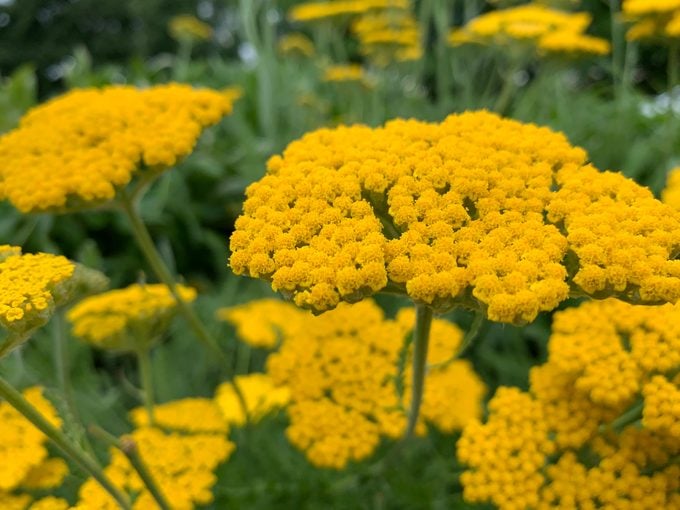
Don't be fooled by its delicate beauty - yarrow's tough as nails. This extremely tolerant plant offers lacy flat-topped clusters of tiny flowers to attract hummingbirds and butterflies. It also makes a nice cut flower, fresh or dried.

  • Common Names: Yarrow.
  • Botanical Name: Achillea.
  • Hardiness: Zones 3 to 9.
  • Bloom Time: Summer.
  • Size: 6 to 52 inches high, 12 to 24 inches wide.
  • Flowers: Yellow, white, red and pink.
  • Light Needs: Full sun.
  • Growing Advice: Sow seeds outdoors in spring or early summer. Divide in spring. Long-lasting when cut or dried.
  • Prize Picks: Moonshine is indispensable for abundant bright light yellow. Achillea millefolium species contribute pink and red but can be weedy; good choices include Paprika, Christel and Red Beauty.