Garden Bug ID Guide
Use this handy guide to identify the problem pests in your garden...and stop them!
Bug photos courtesy of Tom Dang, www.dangphoto.net
What's bugging your plants? If you start seeing dying foliage, spotted leaves or even holes, it's time to take a closer look. This handy guide will help you identify the problem pests in your yard...and tell you how to stop them!
Ants
- Damage: Mounds of soil that make mowing difficult or expose plant roots to drying.
- Time of damage: All season.
- The pest: Ants can be red, brown or black, from 1/6 to 3/4 inch long. They have pinched waists. Ants eat sugars and proteins. Many build their nests underground.
- Look-alikes: Drought stress.
- Plants attacked: Ants are more active in stressed lawns and gardens.
- Management strategies: Some ants are insect predators, making them a friend to gardeners. Some can signal the presence of aphids, as they feed on the honeydew secreted by these pests. Try living with them. You can use commercial baits or insecticides to control troublesome infestations.
Aphids
- Damage: Speckled and/or yellow leaves.
Time of damage: Most of the season; more of a problem during hot, dry weather.
- The pest: Aphids, also known as plant lice, are small, teardrop-shaped and come in a wide range of colors. They have two small tailpipe-like projections on their backsides. Females can give birth to live aphids without mating. This factor, combined with a short life cycle, allows populations of aphids to build quickly.
- Look-alikes: Spider mite damage; herbicidal damage; environmental stress.
- Plants attacked: Virtually all plants.
- Management strategies: Ladybugs, lacewing larvae and other predatory insects eat aphids. Summer showers or a strong blast of water from the garden hose can dislodge and help control them. Insecticidal soap, which kills insects but is gentle on plants, will control these and other soft-bodied insects. Repeat applications may be necessary. Or, set out a yellow dish of soapy water. Aphids, which are attracted to anything yellow, will go into the water and drown.
Caterpillars
- Damage: Holes in leaves. Eventually, the whole leaf is devoured.
- Time of damage: All season. Various species are active at different times.
- The pest: Caterpillars are the worm-like larvae of butterflies and moths. They have segmented bodies with a pair of legs on each of the first three segments. Segments three, four, five and six of the abdomen have false legs known as "prolegs," with little "crochet hooks" at the ends. Caterpillars can be smooth, hairy or spiny, and dull or brightly colored.
- Look-alikes: Sawflies.
- Plants attacked: Larvae feed on a variety of vegetables, flowers, trees and shrubs.
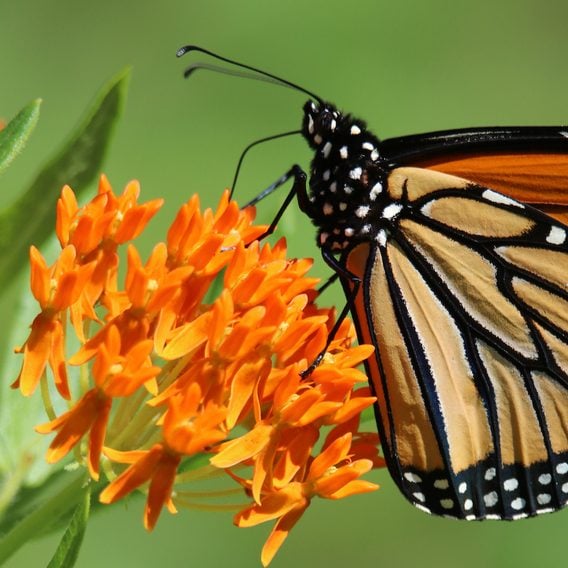
- Management strategies: A few caterpillars can eat a lot of leaves in a short time. Most healthy plants can tolerate the damage and will produce replacement leaves. I leave most caterpillars in my garden, since many of them turn into swallowtails, monarchs or other butterflies. Birds and disease will keep most of these insects under control. Remove unwanted caterpillars or damaging populations by hand. Check under the leaves and along the stem. A flashlight at dusk is helpful for finding them as they feed. Or, treat infested plants with Bacillus thuringiensis, sold as Dipel or Thuricide. This bacteria kills only true caterpillars and won't harm birds, wildlife or people.
Cutworms
- Damage: Young transplants are cut off, as with scissors, just above ground level. The top of the plant is left lying intact in the garden.
- Time of damage: Spring and early summer (planting time).
- The pest: The larval stage (caterpillar) of several species of brown moths.
- Look-alikes: Animal damage or vandalism.
- Plants attacked: Young plants and transplants.
- Management strategies: This is a common problem in gardens that were recently converted from lawn. Cutworms are seldom seen in established planting beds. Protect young transplants with homemade cutworm collars. Remove the top and bottom of a tin can, cut 3-inch sections from paper towel rolls or use similar materials to make a barrier. Place the collar around the transplant. Sink the bottom into the soil so at least 1 to 2 inches remain above ground. When the cutworm encounters the barrier, it moves on to another plant.
Earwigs
- Damage: Holes in leaves, petals and ripe fruit.
- Time of damage: All season.
- The pest: Earwigs are reddish brown, narrow insects with pincher-like forceps at the tail end. They feed at night and hide under rocks, boards or other cool, dark places during the day.
- Look-alikes: Damage and feeding locations are similar to those of slugs.
- Plants attacked: Young earwigs eat holes in the leaves of flower and vegetable plants. Older earwigs eat rose, clematis, dahlia and other blossoms as well as fruit.
- Management strategies: Earwigs are predaceous of other insects, but they're a nuisance in the home and a pest in the garden. Try trapping them with a piece of crumpled paper under a flowerpot. Collect earwigs in the morning and drop them into soapy water or crush them. You must be fast, as earwigs flee quickly when disturbed. Some Europeans use earwig houses. They trap the insects in the garden and move them to orchards to eat codling moths and other pests. Insecticides can also be used. Place a granule barrier of insecticide around your house's foundation to keep earwigs out of the home.
Gall-Forming Insects
- Damage: Bumps on leaves and stems; other distorted growths. Plants look fine otherwise.
- Time of damage: Much of the feeding occurs in early spring; growths become evident later in the season.
- The pest: Aphids, mites and psyllids (small sucking insects) feed on flowers, emerging leaves and other plant parts. The feeding stimulates plant growth. The lumps and bumps, called galls, are actually part of the plant. The insect spends part of its life inside the gall.
- Look-alikes: Canker scale.
- Plants attacked: Various galls are found on maples and oaks. Other varieties include ash flower gall, hackberry nipple gall and many more.
- Management strategies: No treatment is necessary. The galls look bad, but usually do not affect plant health. Dormant oil sprays will kill many of the overwintering insects that cause galls, but this is done strictly for aesthetics.
Leaf Miners
- Damage: Trails and blotches in leaves.
- Time of damage: Spring and summer, as new leaves emerge.
- The pest: Larvae of flies, sawflies, butterflies and beetles.
- Plants attacked: Arborvitae, columbine, birches, hollyhocks, beets, spinach and others.
- Look-alikes: Viral disease.
- Management strategies: Treatment is usually not needed and often doesn't succeed anyway, since it's too late to treat once the damage is noticed. Adjusting planting times, covering susceptible plants or pruning back affected foliage will help eliminate damage on some crops. Systemic insecticides can be applied to the soil for stressed and declining plants.
Gypsy Moths
- Damage: This pest eats holes in leaves until the entire leaf is consumed and the plant is defoliated. One caterpillar can eat all the leaves in a 2-square-yard area. About 17 Eastern and Midwestern states are infested, and the insects are spreading.
- Time of damage: Spring through early or midsummer.
- The pest: Gypsy moth caterpillars are black with hairs, white stripes, and red and blue dots.
- Look-alikes: Mourning cloak butterfly (different coloration) and tent caterpillars (form webby nests).
- Plants attacked: Gypsy moths prefer oaks, but attack more than 500 different trees and shrubs.
- Management strategies: Treat overwintering eggs with a dormant oil spray to prevent hatching. Use a plant-derived oil for a more environmentally friendly option. As many as 1,000 eggs can be clustered in a single beige or yellow hairy egg mass. Check tree trunks, campers, birdbaths, firewood and other areas for egg masses. Trap larvae with sticky bands of paper or burlap hiding bands. Wrap tree trunks with a 2- to 3-foot-wide strip of burlap. Secure in the middle with twine, allowing the top half to drape over the bottom. The larvae will hide in the cloth, and you can remove and drop them in a can of soapy water. Bacillus thuringiensis, which kills only true caterpillars, can be used to control young larvae. Hire a certified arborist to treat large trees. Check with your local Department of Natural Resources, county forester or Extension service for information about this pest in your area.
Japanese Beetles
- Damage: Grubs (larvae) feed on grass roots, resulting in a wilted, stunted and stressed lawn. A gentle tug reveals the roots have been eaten. Skunks and raccoons often dig up lawns to look for the tasty grubs. Adult beetles skeletonize leaves, eating all the green tissue, leaving just the veins.
- Time of damage: Grubs feed on grass roots underground in late spring and early fall. Adults feed on leaves of various plants in midsummer.
- The pest: Adult is a metallic, greenish-brown beetle with white tufts along the abdomen. The larva is a white grub that curls into a "C" when disturbed. Japanese beetles are currently found in much of the eastern half of the United States.
- Look-alikes: Other grubs like June beetles and billbugs, which cannot be controlled by milky spore bacteria (see "Management strategies" below). Grub damage also can resemble drought stress. Adult feeding mimics damage caused by rose chafer and other skeletonizing beetles.
- Plants attacked: More than 300 species of flowers, trees and shrubs.
- Management strategies: Birds and toads help keep these insects under control. Be careful using pesticides that will harm these natural predators. And think twice about using traps. They seem to attract more insects than they control. Milky spore bacteria can be used in the soil to control this pest. It only works on Japanese beetles, not other troublesome grubs, and takes several years to become established and provide control. Other grub controls must be applied in late spring or early fall, when grubs are near the soil surface. Handpick and destroy adult beetles. Throw them in soapy water to slow them down before smashing them, or place in a sealed jar. Chemicals labeled for beetles can be applied to plants when the adults are present.
Leafhoppers
- Damage: Yellow or speckled leaves, often with brown tips known as hopper burn.
- Time of damage: Summer.
- The pest: Wedge-shaped insects that hop sideways when disturbed. Color varies with species. Leafhopper saliva is toxic to some plants, causing the characteristic hopper burn. The aster leafhopper is a carrier of aster yellow disease.
- Look-alikes: Drought or other environmental stress.
- Plants attacked: Flowers, vegetables, trees, shrubs and lawns.
- Management strategies: Healthy plants can tolerate small infestations. Control leafhoppers on plants susceptible to aster yellow. Insecticidal soap can help keep populations down. Systemic and other pesticides can be used where damage is significant or aster yellow is a concern.
Mealybugs
- Damage: Yellow leaves; honeydew present.
- Time of damage: Throughout season, depending on species.
- The pest: A soft-scale insect covered with white cottony filaments. Present outdoors throughout the South and in greenhouses throughout the United States. The immature stage is a translucent nymph. There may be several generations per season.
- Look-alikes: Scales.
- Plants attacked: Apples, avocados, citrus, grapes and other fruits; some ornamental and tropical plants.
- Management strategies: Insecticidal soap will control the immature stage. Horticultural oils will control nymphs and adults. Several applications may be necessary.
Mites
- Damage: Speckled or silvery foliage. Leaves may appear yellow and feel gritty. Webbing appears over time and with high populations.
- Time of damage: Summer through fall, especially in hot, dry weather.
- The pest: Mites are very small relatives of the spider. You may need a magnifying glass to see them. They have two body parts and eight legs, like other spiders. Confirm their presence by shaking a damaged leaf over a piece of white paper. If you see small specks racing across the paper, you have spider mites.
- Look-alikes: Nutritional or moisture deficiencies.
- Plant attacked: Most plants.
- Management strategies: Don't wait for webbing to start treatment. A strong blast of water from the garden hose can dislodge and control mites. Insecticidal soap works, too. Repeat applications will be needed, since the soap kills only the insects it touches.
Plant Bugs
- Damage: Speckled leaves, often accompanied by brown spots and brown leaf edges.
- Time of damage: All season; varies with species.
- The pest: Plant bugs are true bugs—a group of insects that feed on plants and problem insects. Look closely at their backs to identify them. True bugs have a triangular marking just below the head. You may have encountered the four-lined plant bug on your mint, or the phlox plant bug that causes circular spots on garden phlox. The ash and honeylocust plant bug distorts leaves and makes itself a nuisance by falling from the tree and landing on you.
- Look-alikes: Mite and aphid feeding; drought stress.
- Plants attacked:
Various flowers, shrubs and trees.
- Management strategies: Healthy plants can tolerate feeding. Treatment is only needed when populations are high, damage is evident, and plants are unhealthy or already stressed. Insecticidal soap will control populations and minimize damage. Several applications may be needed. Other insecticides also are effective.
Sawflies
- Damage: Large sections or whole leaves and needles missing.
- Time of damage: Differs throughout the season, depending on species.
- The pest: Caterpillar-like insects that usually feed in colonies. They often "dance," swaying to and fro, when disturbed. Sawflies have three pairs of true legs and one pair of false legs (prolegs) on each remaining body segment. The adult, a fly-like insect, causes no damage.
- Look-alikes: Caterpillars.
- Plants attacked: Various trees and shrubs; varies with species.
- Management strategies: Sawflies are easy to control, since they like to feed in colonies. Prune off and destroy the infested branch, sawflies and all. Or, don a leather glove and smash the sawflies with your hand. It's disgusting, but effective. Make insecticides your last choice. Do not use Bacillus thuringiensis. This kills only true caterpillars, not sawflies.
Scales
- Damage: Yellow leaves, stunted growth, lack of vigor.
- Time of damage: Throughout growing season; varies with species.
- The pest: Mature scales have hard white, brown or black shells and can be scraped off the plant. Immature scales are translucent. They move around a plant, looking for a place to feed and form the hard shell after they begin feeding. Females lay eggs under the shell.
- Look-alikes: Galls; mealybugs.
- Plants attacked: Flowers, ground covers, shrubs and trees.
- Management strategies: Dormant treatments can be used to kill overwintering eggs. Insecticidal soap or horticulture oils are effective at killing nymphs. Systemic insecticides are applied to the soil, absorbed by the plant and eventually ingested by the scales. No matter what type of control you use, timing is critical for success. Check the label for specifics.
Spittlebugs
- Damage: Looks as though someone has spit on the plant. Plants look fine otherwise.
- Time of damage: Summer; varies with species.
- The pest: A small insect, sometimes called a froghopper, sucks plant juices. It uses its legs as bellows to make its liquid secretions frothy.
- Plants attacked: Various plants.
- Management strategies: Spittlebug populations generally remain low and plants are not damaged, so no treatment is needed. If populations rise and damage occurs, a strong blast of water or insecticidal soap provides sufficient control.
Slugs and Snails
- Damage: Holes in leaves.
- Time of damage: Any time, but especially during wet weather.
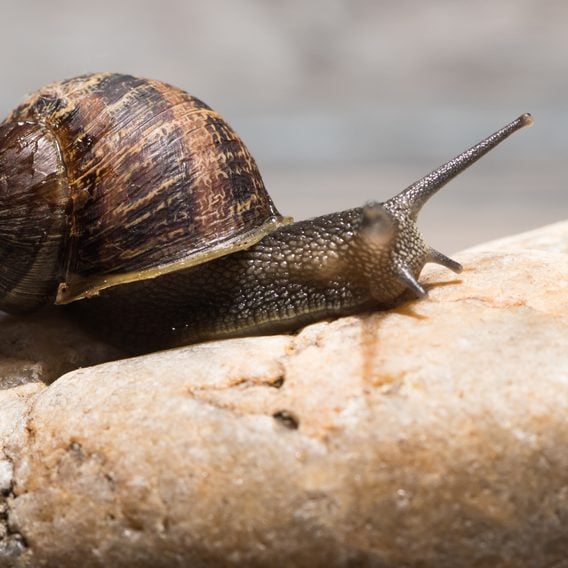
- The pest: Nocturnal feeders that leave a slime trail on leaves as they feed. Slugs are gray and slimy, without shells. Snails look similar but carry a protective shell.
- Look-alikes: Earwigs, caterpillars and sawflies cause similar damage.
- Plants attacked: Various plants, especially hostas and other shade plants.
- Management strategies: Invite slug- and snail-eating toads into your garden with plenty of moisture and cover. To trap these mollusks, sink a shallow container into the ground and fill it with beer. They are attracted to the beer, crawl in and drown. Or, empty half a bottle of beer and lay it on its side. This provides a built-in roof so the beer doesn't become diluted or need replacing during wet weather. Some new granular products contain iron phosphate, which kills slugs and snails without harming other wildlife. Gardeners have reported good control with less frequent applications. On hostas, you may want to sprinkle it under the leaves to discourage birds from eating it.
Stalk Borers
- Damage: Leaves and growing tips wilt, yellow and brown or break off in high winds. Sawdust-like droppings may be found at base of plant.
- Time of damage: Summer and fall; varies with species.
- The pest: Larvae of several different insect species.
- Look-alikes: Drought stress; root rot.
- Plants attacked: Lilies, potatoes and other thick-stemmed ornamentals and vegetables.
- Management strategies: Control weeds throughout the growing season, prune out infested areas and clean up the garden and surrounding area in fall. Destroy borer-infested stems. Don't put them in the compost pile.
Tent Caterpillars
- Damage: Webby nests in trees and shrubs filled with caterpillars.
- Time of damage: Varies with species.
- The pest: There are several tent-forming caterpillars. The most common are the Eastern and Western tent caterpillars, fall webworm and euonymus caterpillar.
- Look-alikes: Often mistaken for the gypsy moth.
Plants attacked: Different species feed on different plants. Euonymus tent caterpillars feed mainly feeds on euonymus. The rest feed on fruit trees, walnut, birch and other ornamentals.
- Management strategies: Birds, parasitic wasps and disease help keep these insects under control. Most healthy plants will re-leaf once the insect is done feeding. Use a stick to dislodge the tent and smash the caterpillars. Or, spray the tent and several feet surrounding it with Bacillus thuringiensis. Do not burn tents while they are still in the tree. Fire causes more damage than the hungry caterpillars.
Thrips
- Damage: Brown streaks, yellow leaves, distorted leaves and flowers.
- Time of damage: Summer.
- The pest: A small insect with a long, narrow body and fringed wings. You'll need a magnifying glass to see it.
- Look-alikes: Mite and aphid damage; drought stress; disease.
- Plants attacked: Gladiolus and other flowers; trees and shrubs.
- Management strategies: Some thrips are predators of aphids and other harmful insects. Others serve as disease vectors, spreading viruses from sick to healthy plants. Discard or treat thrip-infested gladiolus corms before storing for winter. Chemical treatment is recommended where the spread of disease is a concern.
Tree and Shrub Borers
- Damage: Upper leaves and branches wilt, yellow and brown. Infested branches may wither and die. Plant goes into decline and may die.
- Time of damage: Spring through fall, depending on species.
- The pest: Caterpillars, grubs and beetles.
- Look-alikes: Drought stress; decline.
- Plants attacked: Borers usually attack trees and shrubs stressed by weather, the environment and other pests.
- Management strategies: Select the right plant for existing growing conditions and provide proper care to keep it healthy and borer-resistant. Prune out dead branches and stems. If a borer attacks, consult a certified arborist. Timing and proper application are critical for chemical control.
Whiteflies
- Damage: Yellow, stunted plants, often with honeydew on leaves.
- Time of damage: Year-round in greenhouses and warm regions; summers only in colder areas.
- The pest: The adult is a small white flying insect. When disturbed, large numbers often fly away in a white cloud. Immature whiteflies are translucent and resemble immature scales.
- Plants attacked: Flowers, vegetables, citrus and various ornamentals.
- Look-alikes: Mite and aphid damage; environmental stress.
- Management strategies: Most healthy plants can tolerate feeding, and cold winter temperatures will kill any whiteflies in Northern gardens. Control only if plants are showing signs of stress or damage. Sticky traps can be used, but cover traps to keep birds off while allowing insects in. Neem, horticultural oils and other insecticides also can be used.